I created this blog to share my adventures, and my biggest one to date was my first Eurorail trip. Last year, fall 2024, I embarked on a whirlwind journey through 13 incredible cities spanning Western, Central, and Eastern Europe. Since it was my first time in Europe and I wanted to see and do as much as possible, I aimed to create the perfect itinerary. From bustling cities to serene lakeside towns, each stop offered a unique glimpse into the continent’s history, culture, and natural beauty. Here, I’ll bring you through my journey and what I would do differently next time.
Brussels, Belgium

Suggested stay: 2 nights (or take a sleeper train to Berlin on night 2)
Next train: Brussels → Cologne (~2 hours) or Brussels → Berlin (~6–7 hours direct)
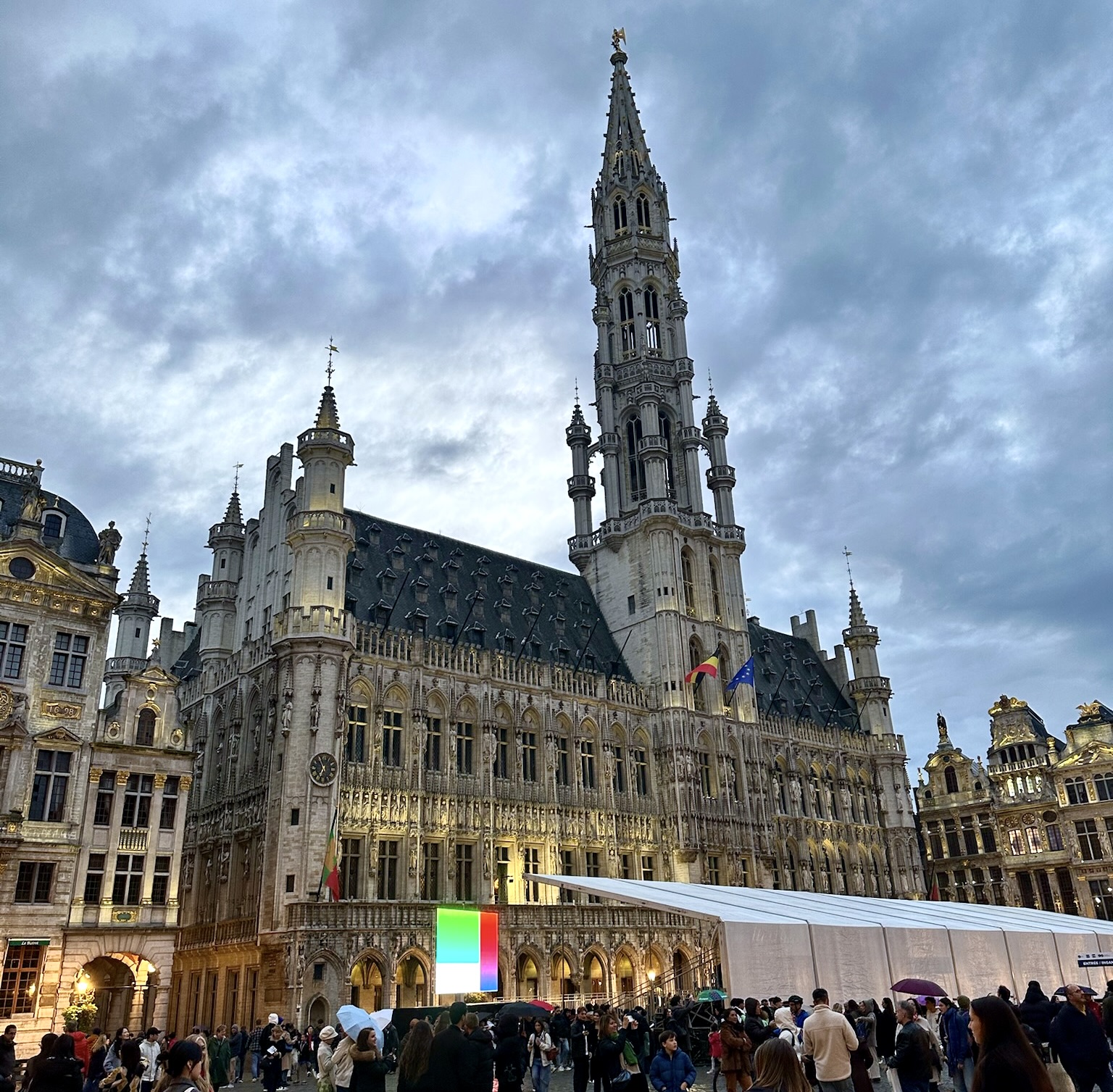
Brussels is a magical city to start your Eurorail adventure. I had heard very mixed reviews about the city, but I found it to have one of the most beautiful city centers in Europe.
I wandered through the Grand Place, visited the Atomium, and indulged in Belgian waffles, chocolates, and of course beer. I still consider Belgian beer to be the best of all beer. There are so many kinds and the iconic Délirium Café is known for having over 2000 kinds.
Starting here allowed me to ease into the rhythm of train travel and solo exploration, especially since my home base on this Europe trip (my ex-boyfriend’s house) was also in Belgium. Brussels also is a large airport hub making is a great starting point, for most travelers.
From Brussels, I took an overnight train to Berlin. The sleeper trains, however, come at an additional cost and are not included in your rail pass. If I could do it again, I would likely add a stop in Cologne, Germany, before heading to Berlin to break up the long journey.
Tip: Buy Atomium tickets ahead online to beat the long line.
Cologne, Germany (Optional Stop)
Suggested stay: 1 night
Next train: Cologne → Berlin (~4 hours)
Breaking up the Brussels to Berlin leg with a stop in Cologne makes the journey more manageable. It’s also a beautiful city that offers a very different side of Germany compared to Berlin. Explore the stunning Cologne Cathedral, stroll along the Rhine, and enjoy cozy cafés in the old town.
Alternatively, Frankfurt (1 night) a convenient rail hub with museums and scenic riverside walks, can also make a good stop.
Tip: If time allows, take a short Rhine River cruise in Cologne
Berlin, Germany
Suggested stay: 3 – 4 nights
Next train: Berlin → Prague (~4.5–5 hours)
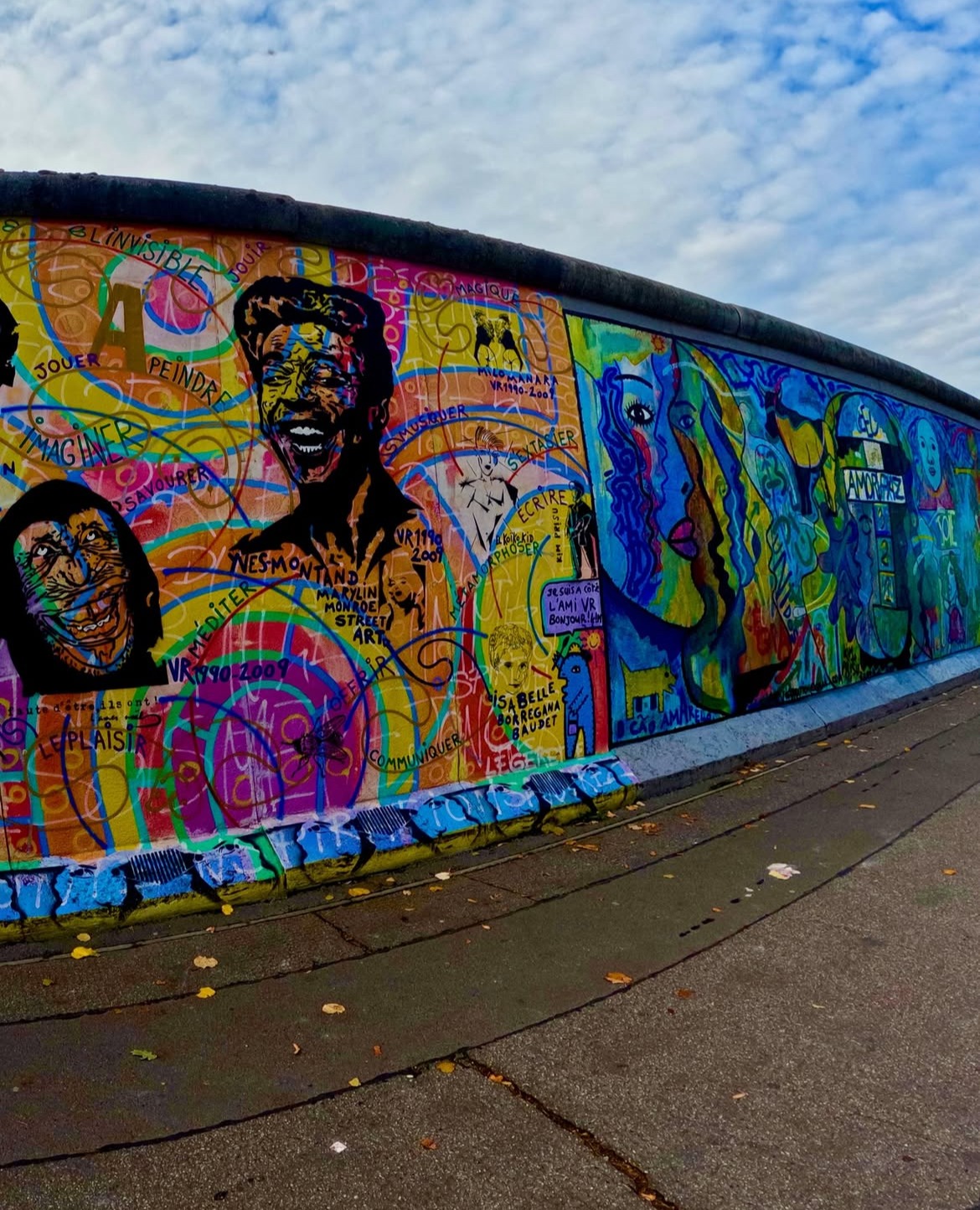
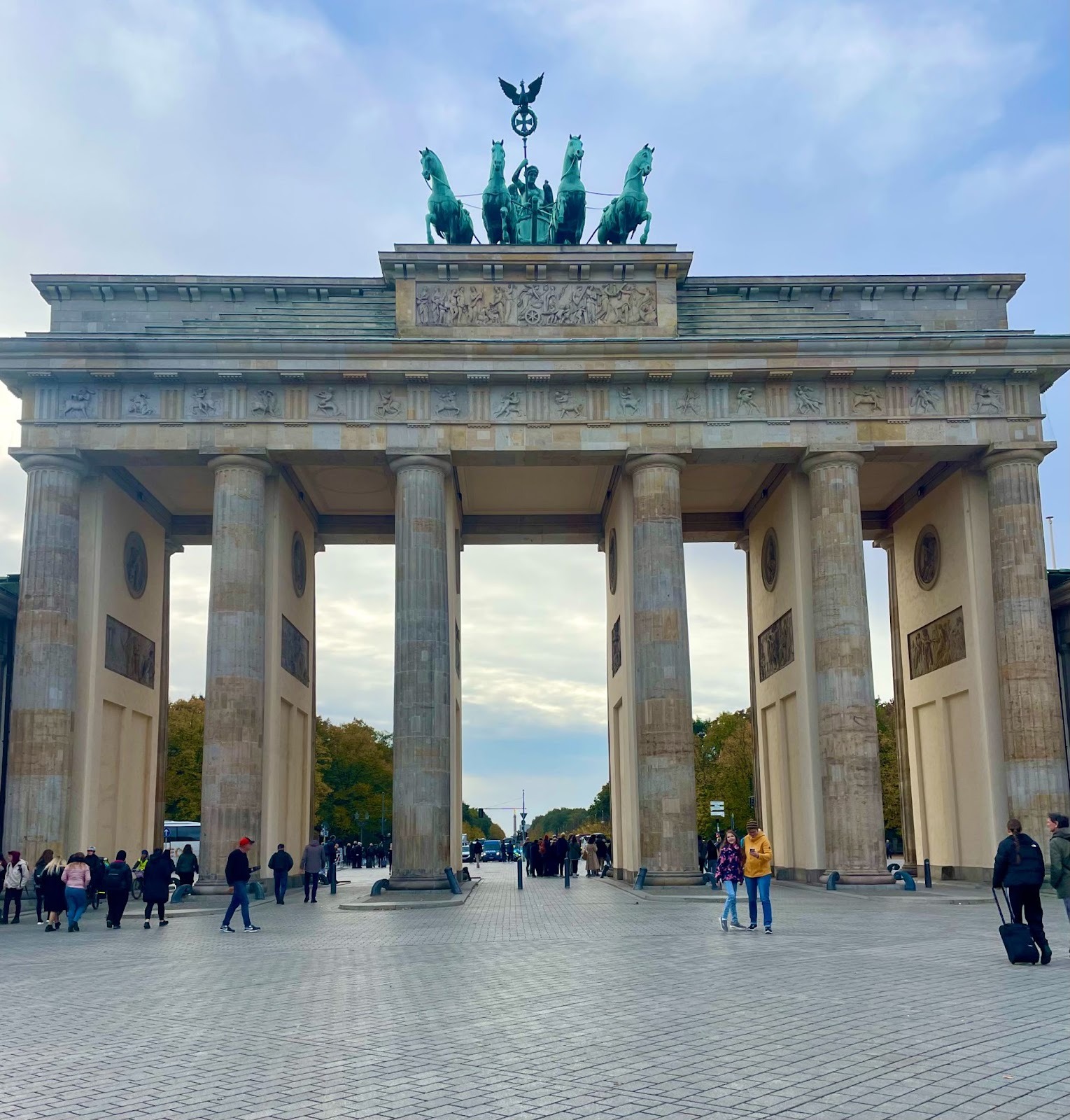
Berlin perfectly blends profound history with a dynamic, modern culture, making it an absolute must-visit on any European trip. Highlights include the iconic Brandenburg Gate, the remains of the Berlin Wall, and the vibrant street art in Kreuzberg.
The city is packed with history and countless fascinating museums. If you’re a history enthusiast, dedicate a full day to Museum Island, and you won’t regret it. This UNESCO World Heritage site encompasses five large, iconic museums built under Prussian rule. For just €32.00, you can purchase a 3-day museum pass, which grants entry to over 30 museums and exhibits across the city.
A conversation about Berlin is incomplete without mentioning its legendary nightlife. The city boasts countless clubs and bars. As a solo traveler, I recommend staying at a lively hostel that hosts activities; it’s an easy way to meet people and find companions for a night out. And, of course, on your way back to the hostel don’t forget to try an iconic Döner kebab, a true Berlin classic!
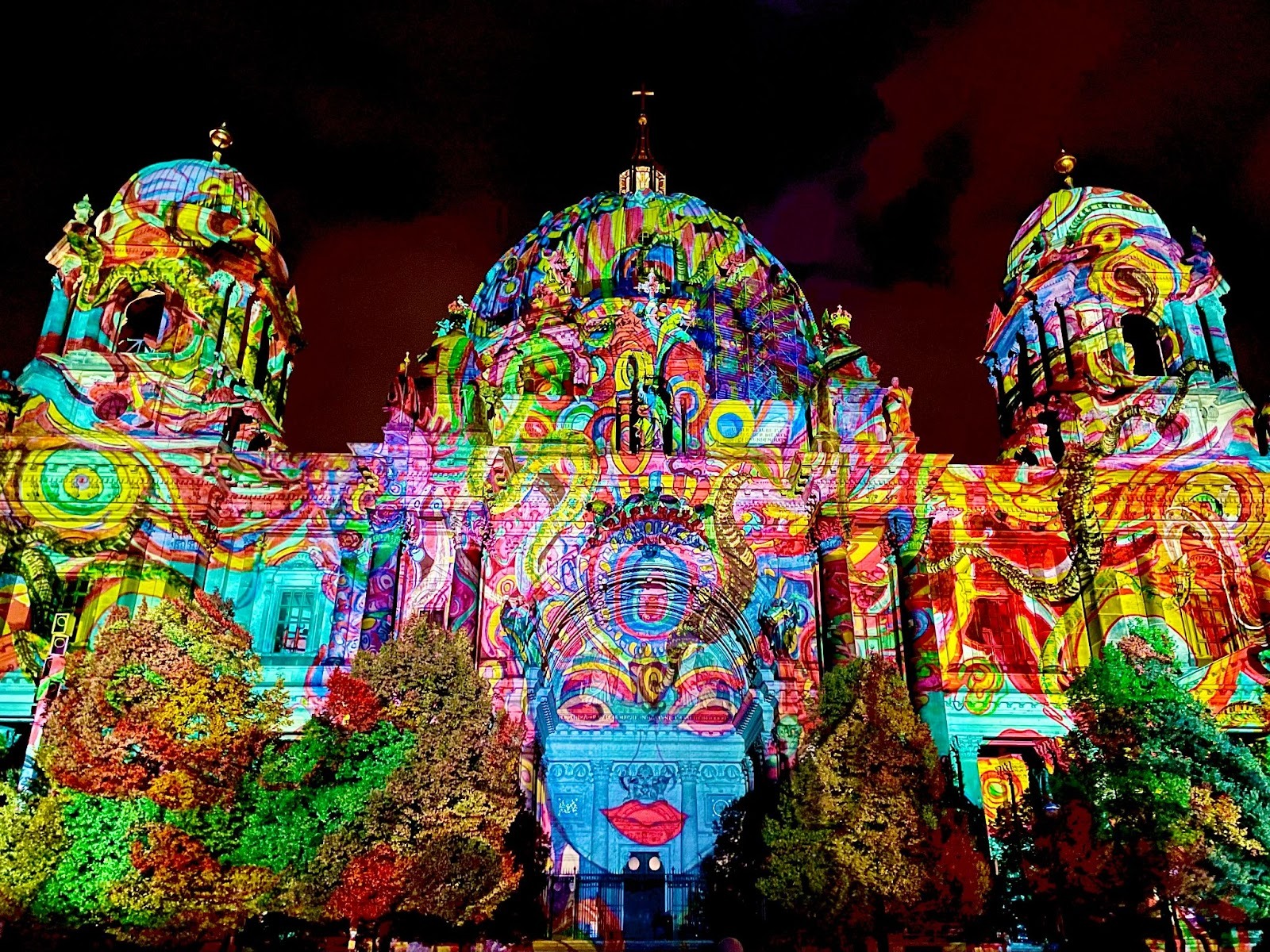
I was lucky enough to visit during the annual Festival of Lights, which was truly incredible. The festival is free to attend and illuminates the city’s most iconic landmarks with stunning works by local artists.
The next stop on our adventure is Prague, Czechia. The train journey is easy and direct, taking about four and a half hours. Along the way, you’ll pass through Dresden, Germany. If time permits, even a few hours in Dresden can be a beautiful addition to your itinerary.
Tip: Visit the East Side Gallery at sunrise. You’ll not only see the longest remaining stretch of the Berlin Wall adorned with murals, but you’ll also beat the crowds and capture some great photos.
Prague, Czech Republic
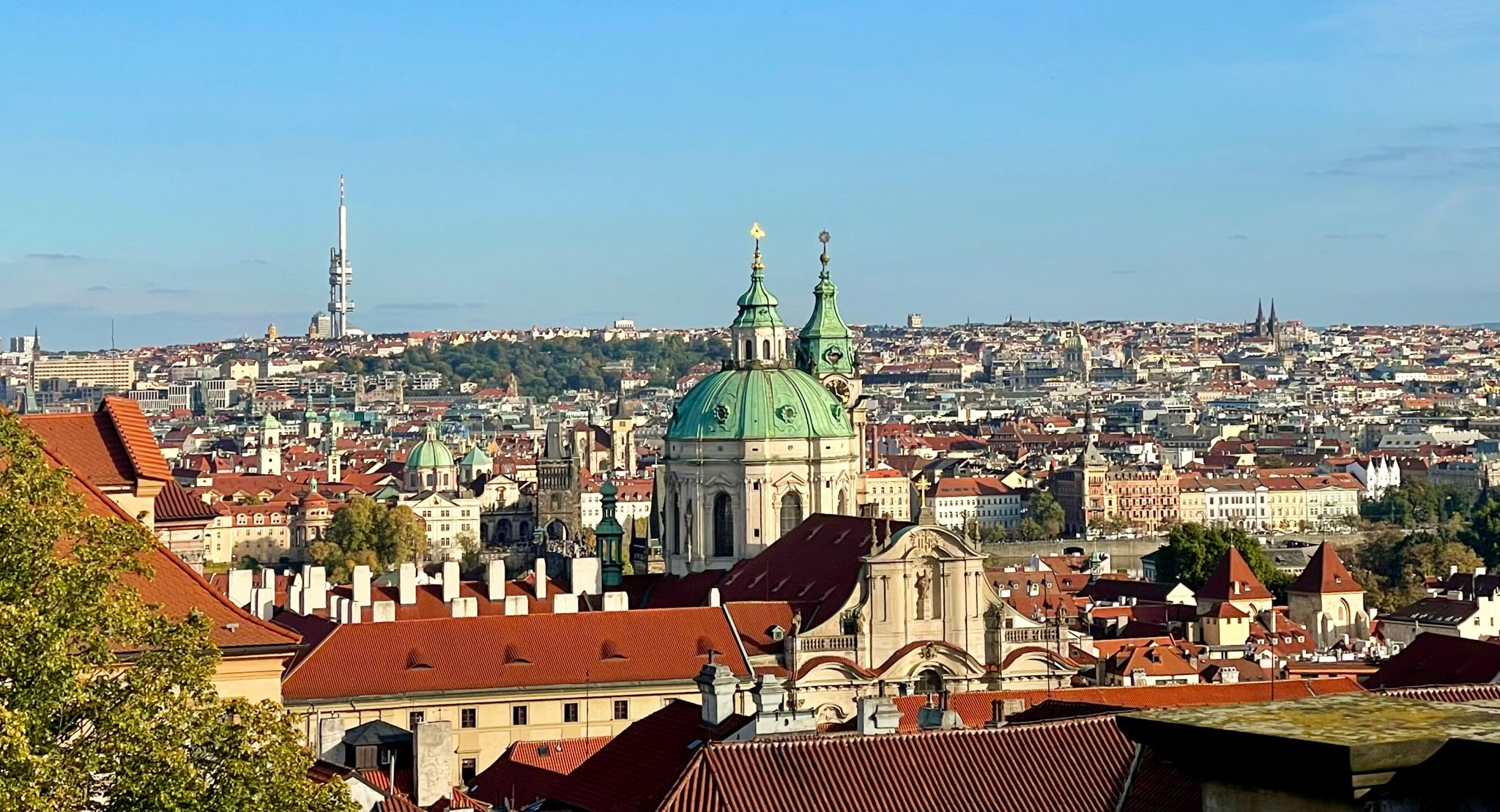
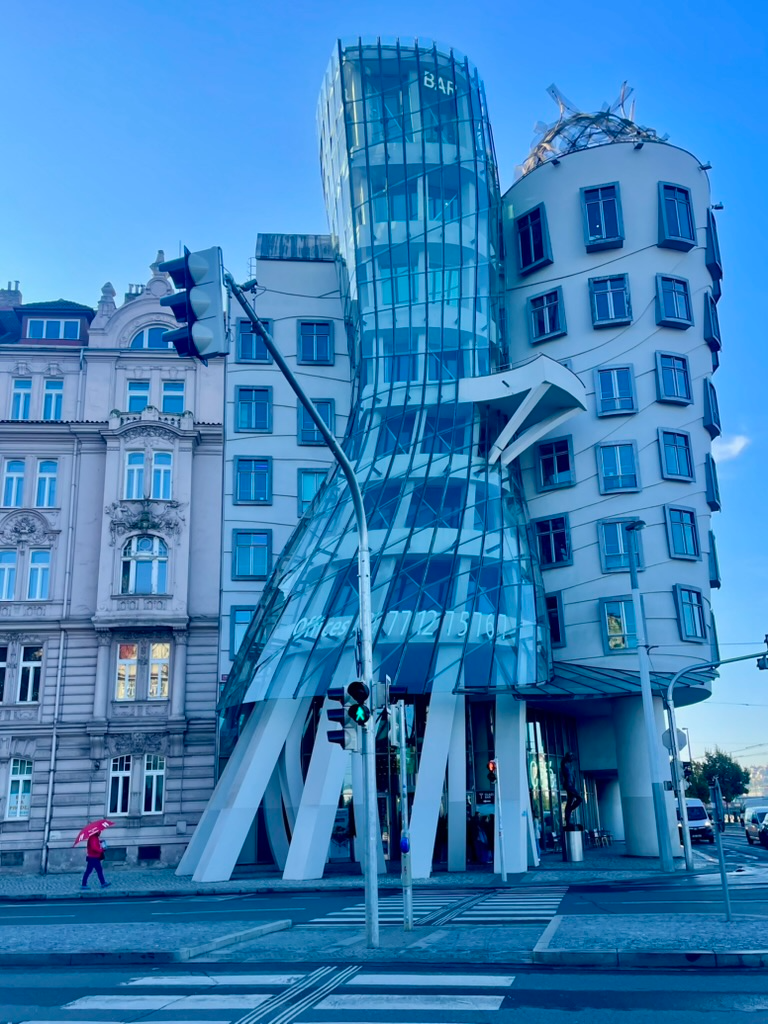
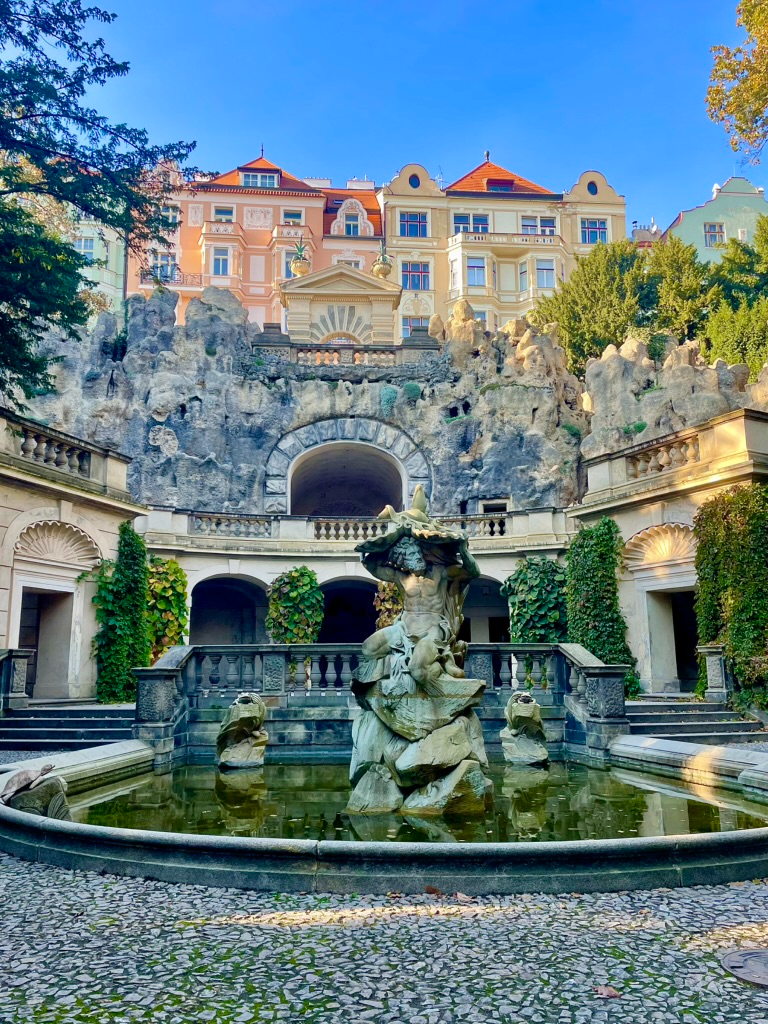
Suggested stay: 3 nights
Next train: Prague → Krakow (~6–7 hours direct)
Prague feels like a fairy tale and is easily one of my favorite cities, not just in Europe but in the world. From quirky highlights like the Dancing House and the narrowest alleyway in Europe (complete with a stoplight!) to the iconic city center and Charles Bridge, there’s something to marvel at around every corner. You can easily get lost wandering through colorful baroque streets all day.
Exploring the city’s parks, some of the most beautiful and accessible in Europe, adds a refreshing touch of nature between sightseeing. My personal favorites are the Grotta Umělá jeskyně and Petřín Hill, which is an amazing spot to watch the sunset.
Evenings are a delight with affordable and tasty local cuisine, cozy cafés that invite you to linger, small traditional gingerbread shops, and spectacular nightlife. Prague truly has it all.
From here I took an early morning train to Krakow. However, if I could do the journey over I would add a stop in Wrocław first for 1-2 nights to break up the journey and get another side of Poland.
Tip: Wake up early to visit the Charles Bridge and catch the sunrise — it’s much less crowded than during the day and absolutely magical.
Wrocław, Poland (Additional Stop)
Suggested stay: 1–2 nights
Next train: Wrocław → Krakow (~3–3.5 hours)
For travelers looking to break up the long Prague to Kraków journey, Wrocław is a colorful and charming city worth adding to your trip. Its Market Square is lively and picturesque, and the city is famous for its hundreds of hidden dwarf statues scattered throughout streets and courtyards, making exploring especially fun.
Tip: Stroll through Ostrów Tumski (Cathedral Island), the oldest part of Wrocław, where gas lamps are still lit by hand each evening.
Krakow, Poland
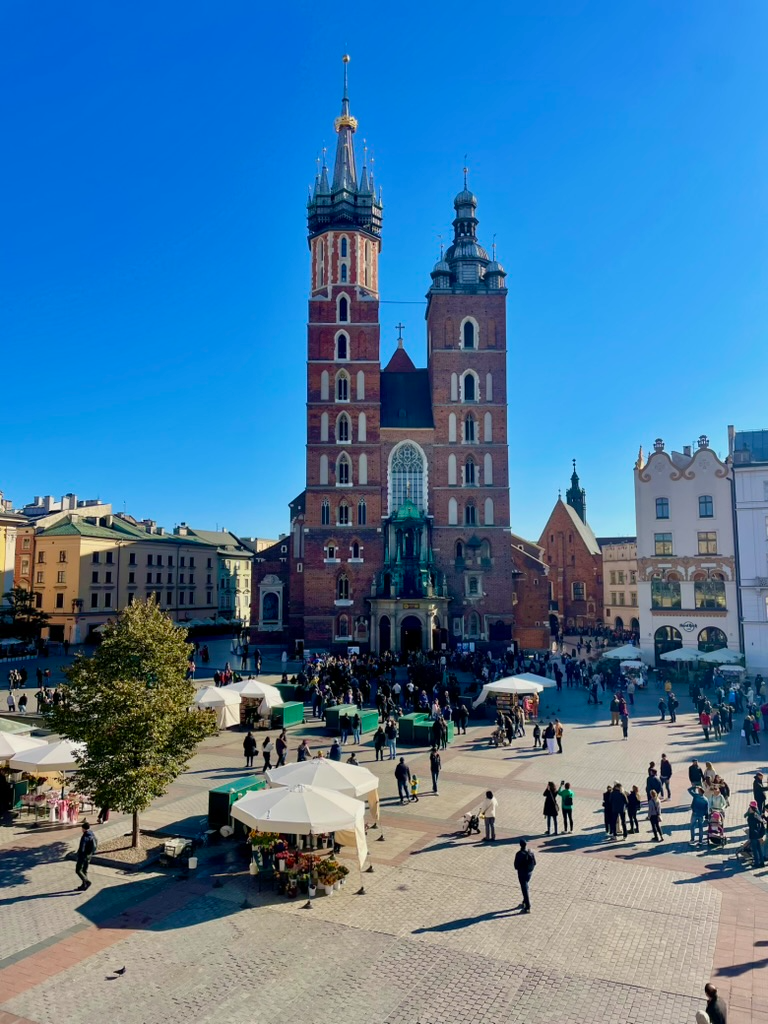
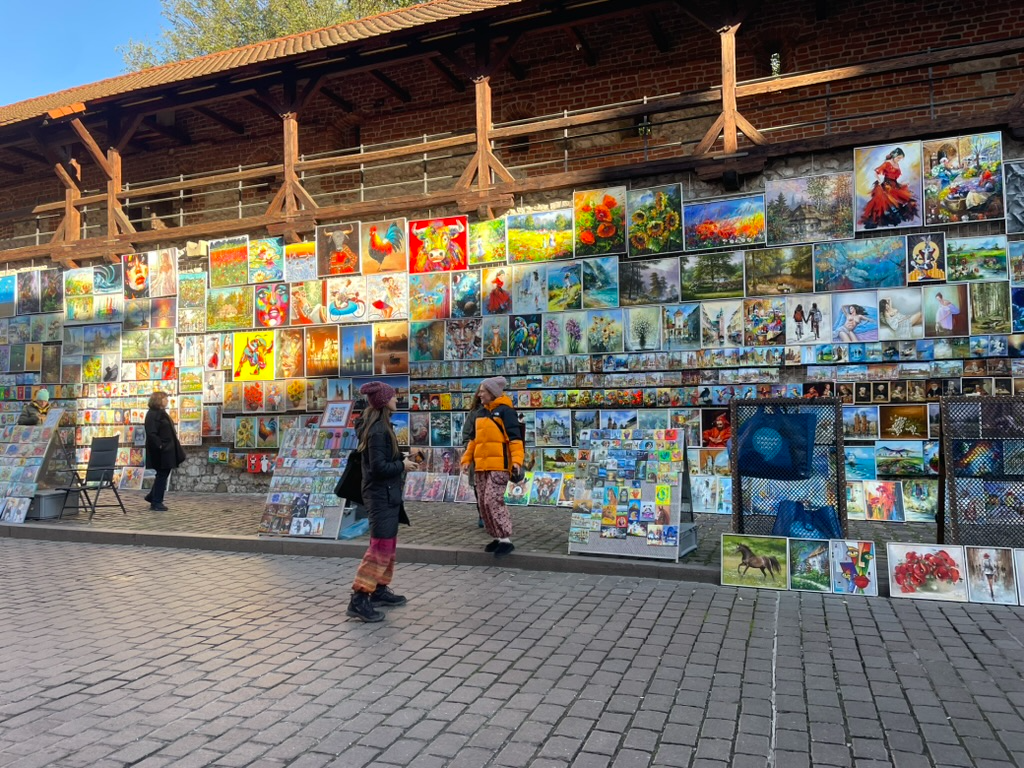
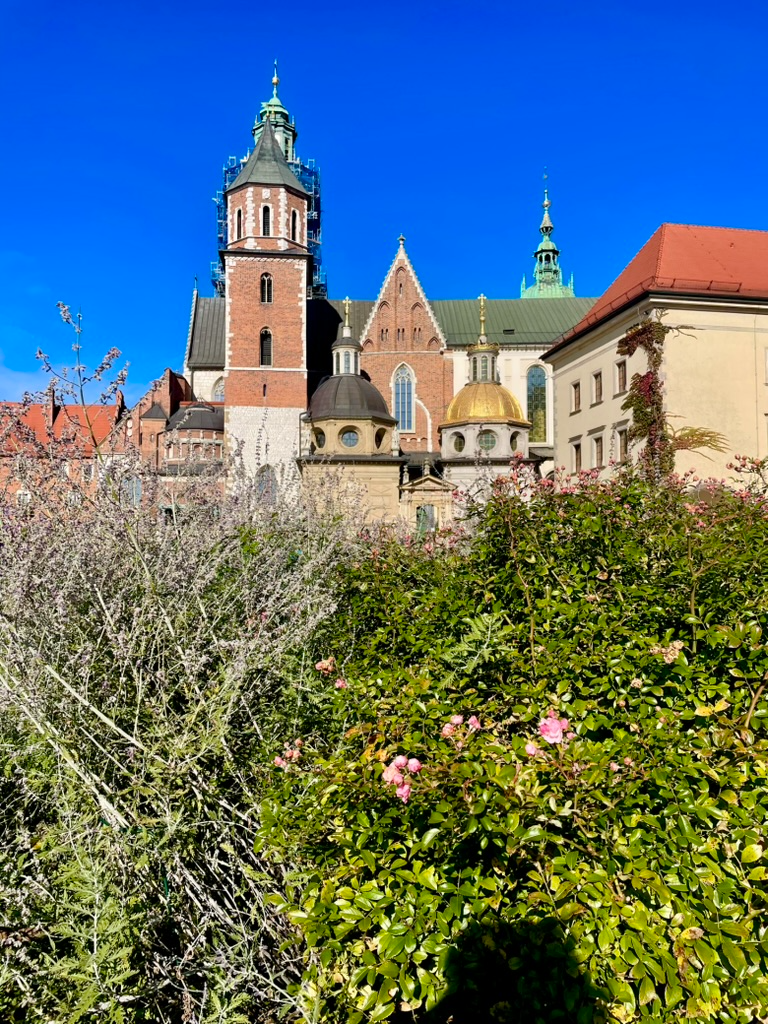
Suggested stay: 3 nights
Next train: Krakow → Vienna (~ 5.5 – 6 hours direct)
Kraków’s Old Town is charming and very walkable. Get up early to stroll through the marketplace for traditional Polish snacks and souvenirs, then head to Wawel Castle in the morning to beat the crowds. With its unique mix of architectural styles, changing with each new king, it’s one of my favorite castles I’ve ever visited.
Be sure to learn the legend of the Wawel Dragon and stop by its fire-breathing statue along the river. The city’s warmth, lively markets, and endless pierogi stands make for memorable solo explorations. Evenings are especially nice, with live music and street performers filling the Main Square.
A day trip to Auschwitz is a must when visiting Kraków. While sobering and emotionally heavy, it’s a necessary reminder of the consequences of hatred and the importance of remembering history.
After my time in Kraków, I headed directly to Vienna to maximize my first day there. However, if you’d prefer to break up the journey or just have some extra time, Brno, Czechia is another option. A lively university city with cool cafés, quirky architecture, and a more authentic Czech vibe.
Tip: Visit the Bernatek Footbridge, decorated with whimsical acrobat statues, at sunset for a unique photo spot.
Vienna, Austria
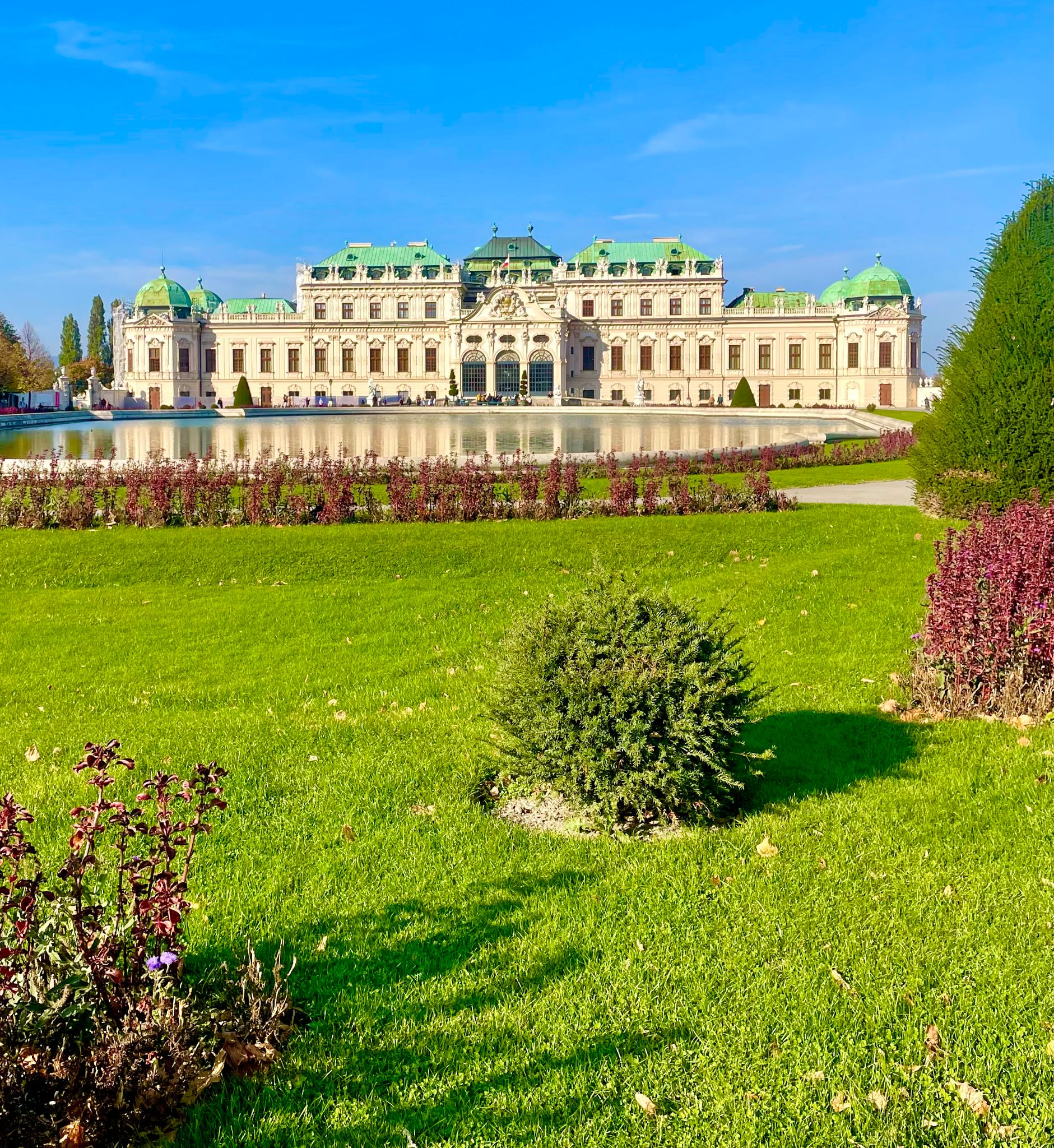
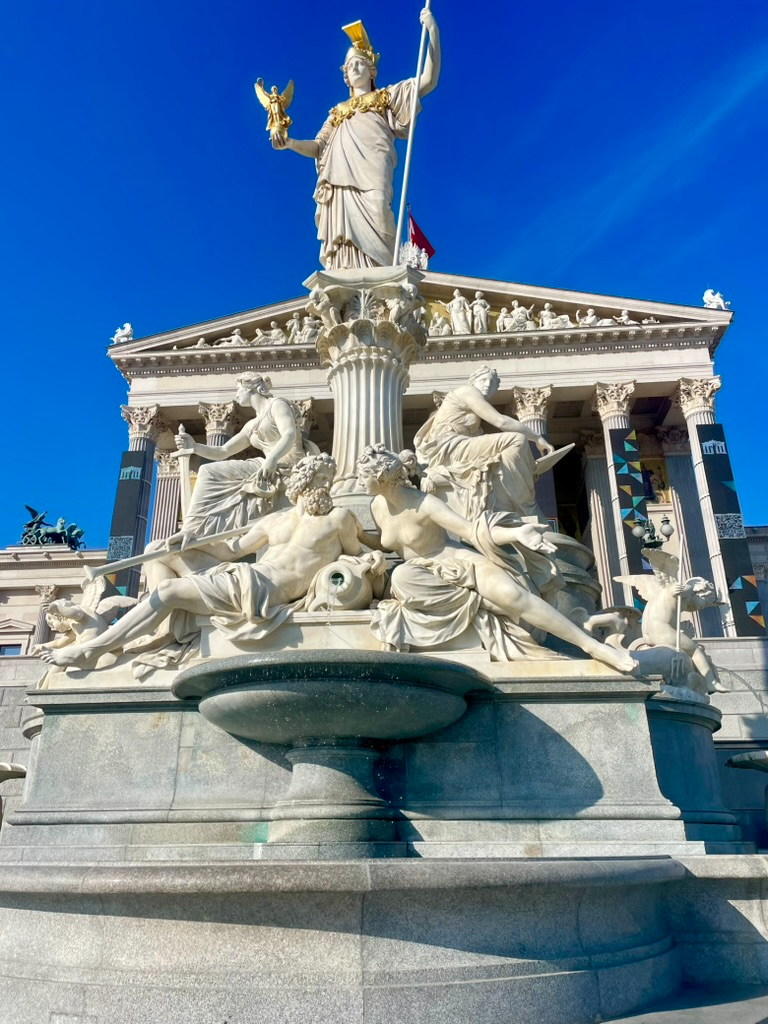
Suggested stay: 2–3 nights
Next train: Vienna → Bratislava (~1 hour)
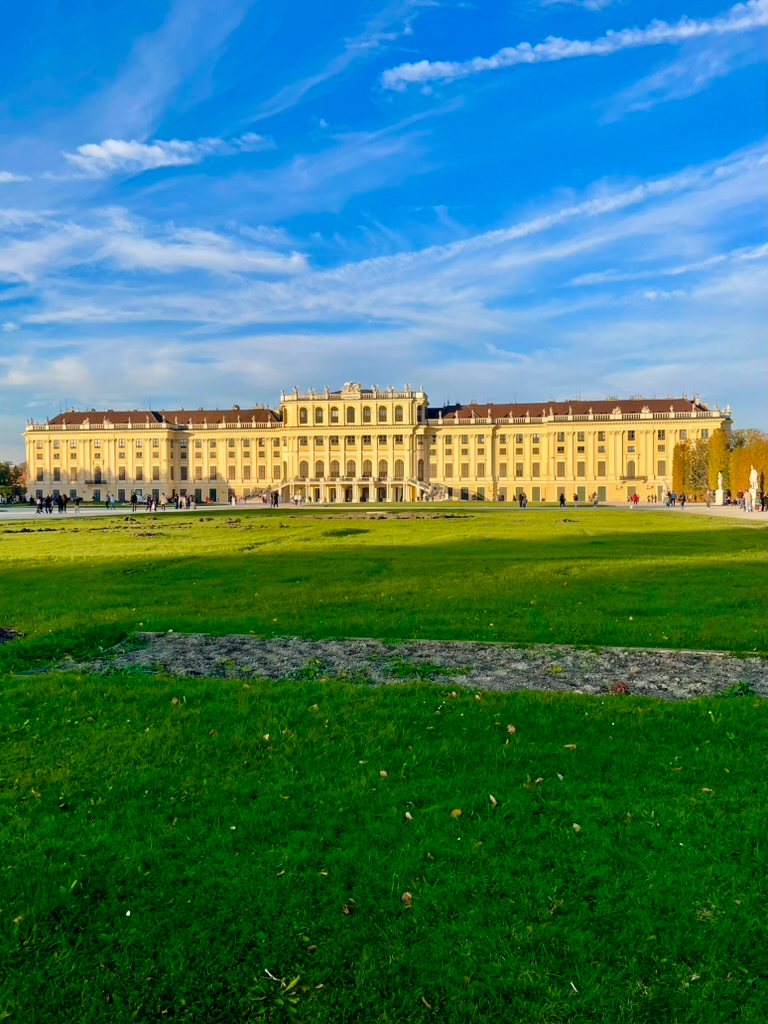
Vienna masterfully balances grand architecture with a modern charm. From the majestic Schönbrunn and Belvedere Palaces to world-class classical music performances and elegant, historic cafés, the city is truly unforgettable and unique.
Do not underestimate the time needed to visit the palaces, you could easily spend a full day at both Schönbrunn and Belvedere. Each features extensive, beautifully manicured gardens in addition to the palace itself, offering so much exploration.
Spend time exploring the city center and go on a “building safari,” admiring all the beautiful landmarks, particularly the Ringstrasse architecture. Book free parliament tour tickets ahead of time, they typically sellout if you wait till last minute. Art lovers will be overjoyed with the many amazing museums and galleries the city has to offer, including the incredible collections housed in the MuseumsQuartier.
While you are there, be sure to try the traditional Wiener Schnitzel (often made with veal, but I opted for chicken) and the famous Sacher Torte (a dense chocolate cake with apricot jam) for an authentic Viennese culinary experience.
The next leg of the journey is the shortest of all, connecting two of the closest capital cities in the world: Vienna to Bratislava. The trip takes only about an hour, making it an ideal day trip if you are short on time. However, Bratislava is definitely worth a few days of your time to properly explore. Since the ride is so short and affordable, I recommend purchasing a separate ticket rather than using your rail pass for this leg, saving the pass for longer journeys.
Tip: If possible, secure standing tickets at the Vienna State Opera. They are an incredibly affordable way to experience an iconic musical event in the renowned “City of Music”.
Bratislava, Slovakia
Suggested stay: 2-3 nights
Next train: Bratislava → Budapest (~2.5 hours)
Bratislava truly exceeded my expectations. Its Old Town is compact and incredibly walkable, making it the perfect place to simply wander and get lost.
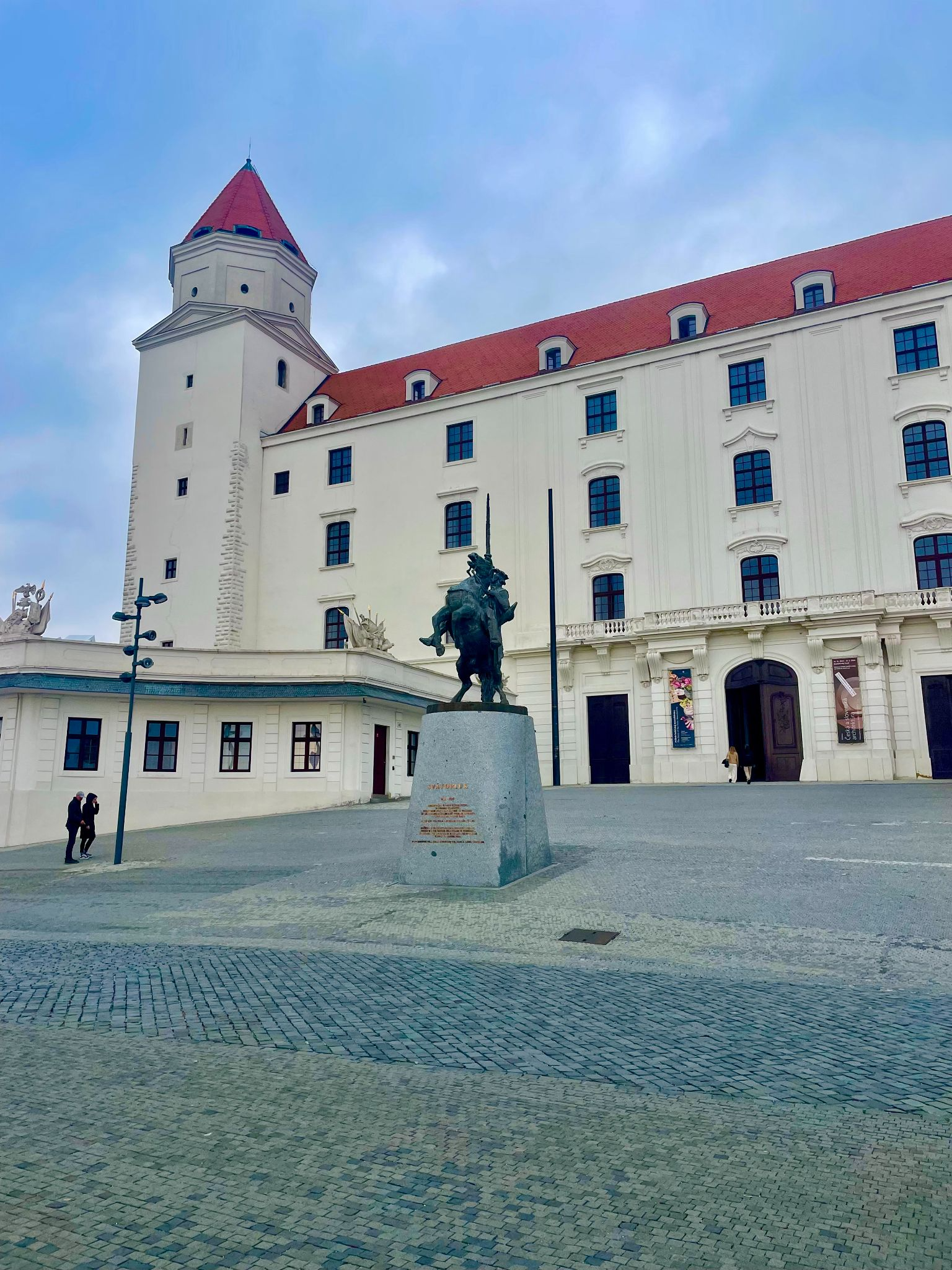
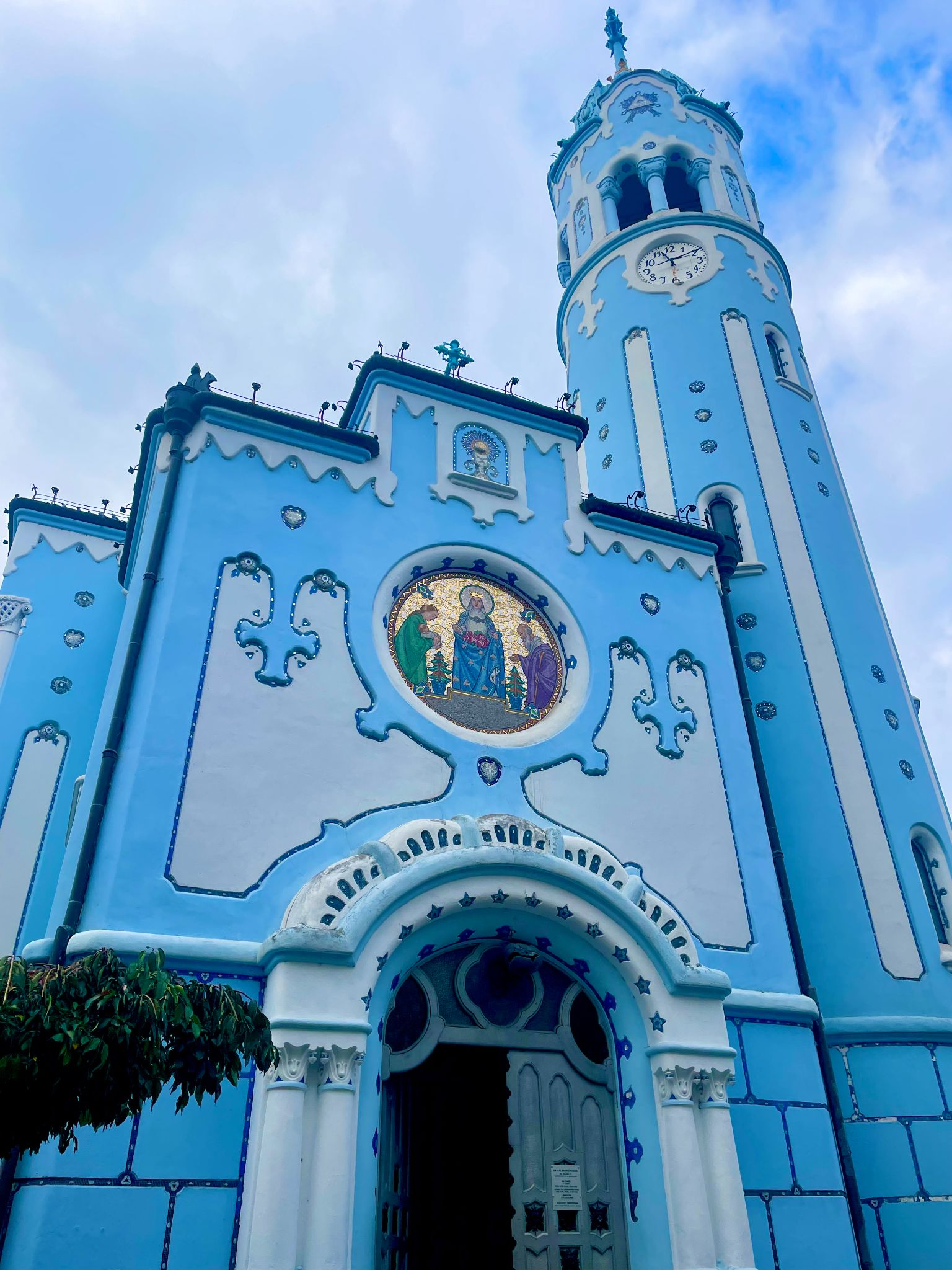
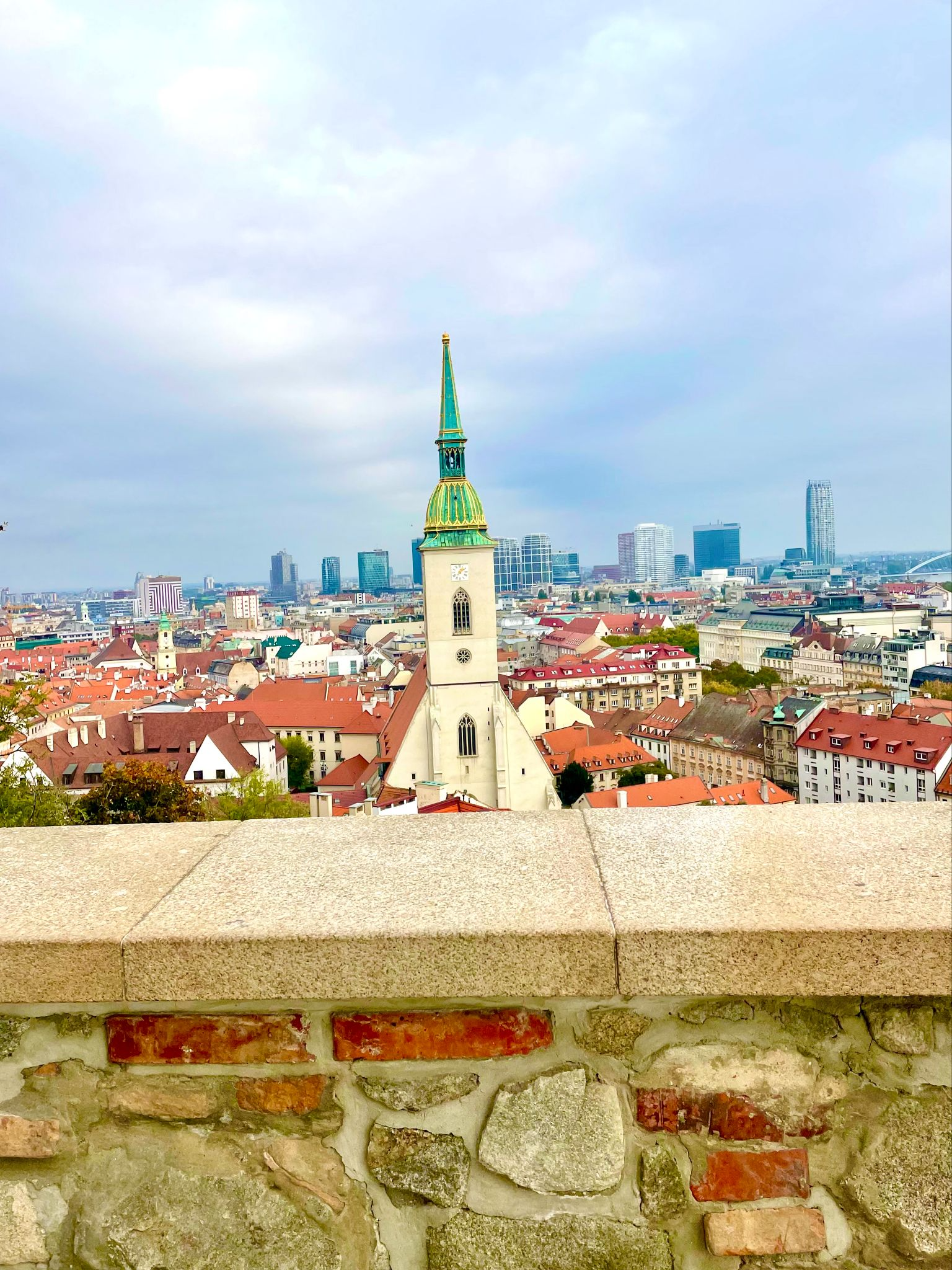
Beyond the charming streets, highlights include the iconic Blue Church (St. Elisabeth’s), an Art Nouveau masterpiece that looks like it’s straight out of a fairy tale. Keep an eye out for the many interesting statues and art installations scattered throughout the city, like the famous Čumil (The Man at Work), which add a playful, modern touch. A trip up to Bratislava Castle is also essential, I recommend making the trip towards sunset, as the sunset from the hill is stunning.
I was also impressed by the surprisingly good local food, don’t miss trying some traditional Bryndzové Halušky (potato dumplings with sheep cheese) which was my favorite. I highly recommend the Slovak Pub, which has absolutely delicious food. It’s also near the incredible and trendy Genesis thrift shop where all items are just 2 euros!
A short day trip to Devín Castle is also highly worthwhile. Perched atop a cliff, the castle ruins offer beautiful, panoramic views of the Danube and Morava rivers and a fascinating glimpse into the region’s history.
After an unforgettable couple of days in Bratislava, take an easy 2.5 hour train ride to Budapest to continue your Eastern European exploration.
Tip: Visit the UFO Bridge, especially at night, for spectacular views of Bratislava Castle all lit up.
Budapest, Hungary
Suggested stay: 3 – 4 nights
Next train: Budapest → Ljubljana
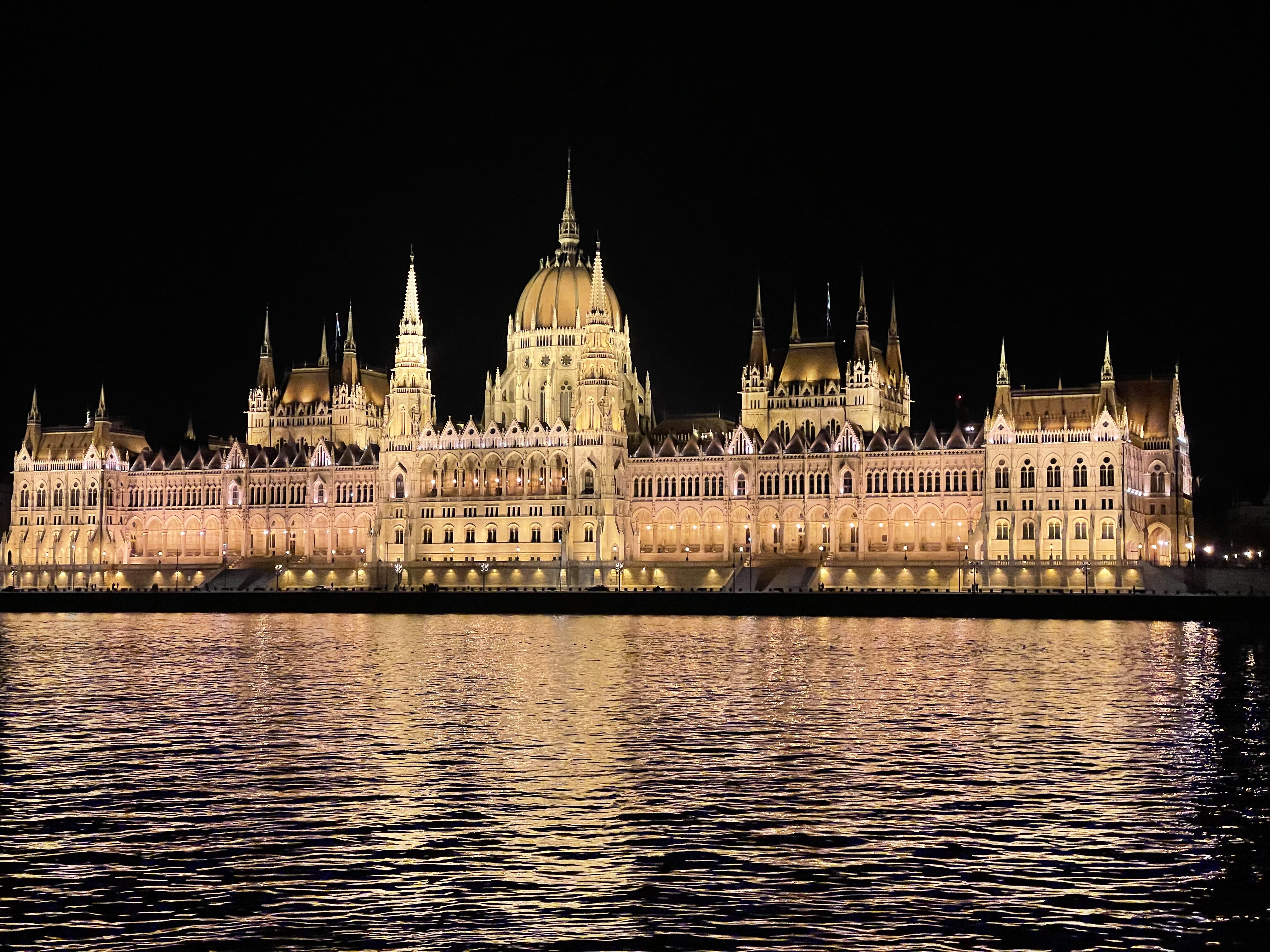
Where do I even begin with Budapest? The best word to describe this city is wow. I didn’t spend nearly enough time here, but I definitely fell in love with the Hungarian capital. From the iconic architecture of the Hungarian Parliament Building to the unique ruin bars and the stunningly illuminated city at night, Budapest truly has something for everyone.
Climb Castle Hill to explore the Buda Castle and Fisherman’s Bastion for breathtaking panoramic views of the Pest side of the city. Back on the Pest side, visit St. Stephen’s Basilica, a neoclassical masterpiece whose dome offers one of the best 360-degree viewpoints in the city.
Nearby, head to the Shoes on the Danube Bank, a memorial honoring the Jewish victims shot into the river during WWII. If time permits, also visit the House of Terror Museum to learn about Hungary’s darker historical periods.
Hopping on a Danube river night cruise to see the city’s most iconic landmarks lit up from the water is a must and some even offer bottomless champagne.
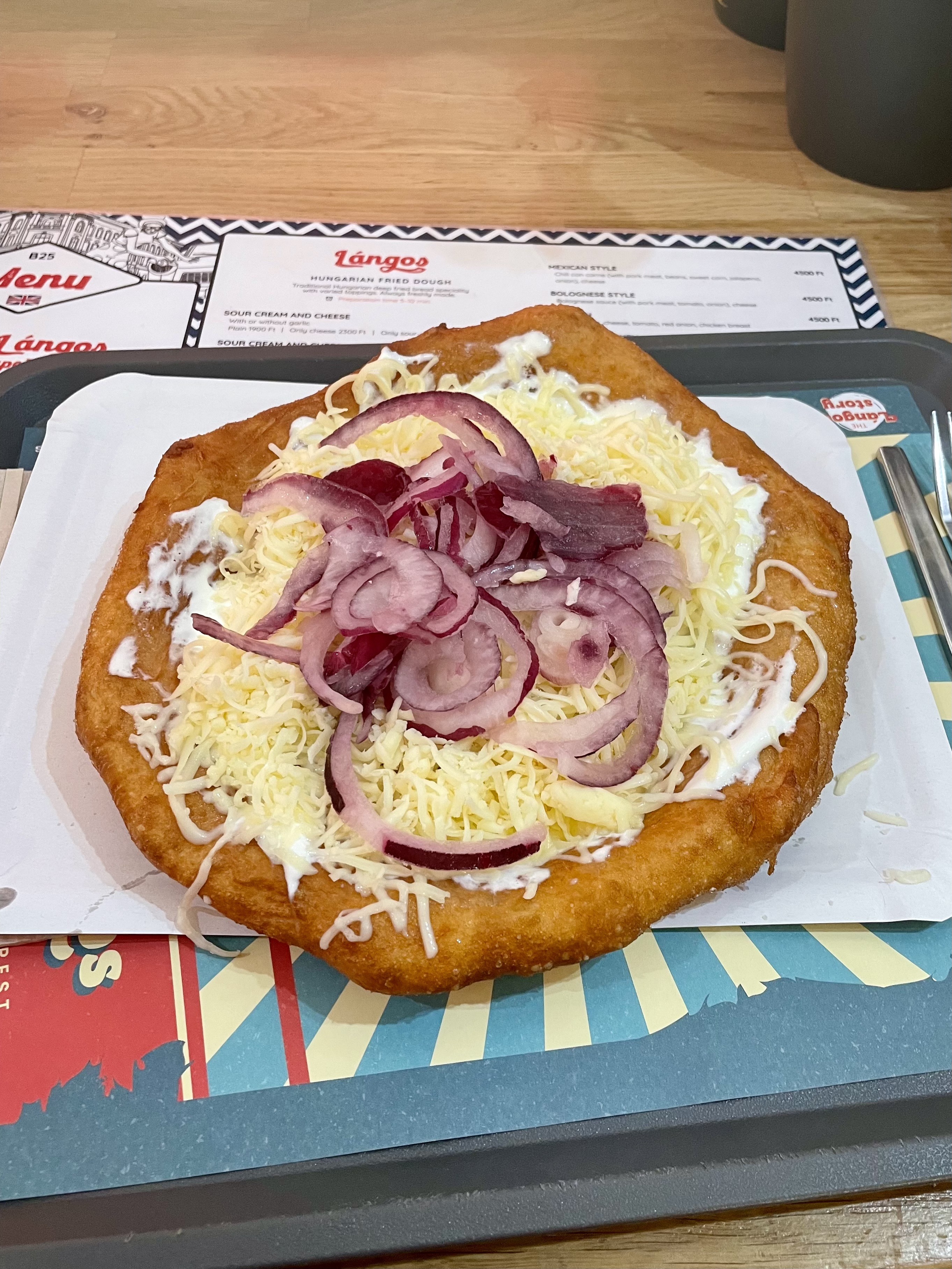
Don’t miss sampling local cuisine; my favorites are Chicken Paprikash and Lángos. For a comprehensive culinary experience, visit the Great Market Hall (Nagy Vásárcsarnok), a stunning historic indoor market perfect for trying street food, buying local spices like paprika, and picking up souvenirs.
The next journey is a long one, so I recommend leaving very early in the morning. When I traveled between Budapest and Ljubljana in fall 2024, I took a direct train, but as of writing, that service no longer runs. The journey now takes roughly eight hours with train changes. For this leg, a FlixBus may save time and hassle. Alternatively, spending an extra night in Vienna could break up the travel, as the Vienna to Ljubljana direct train takes about six hours.
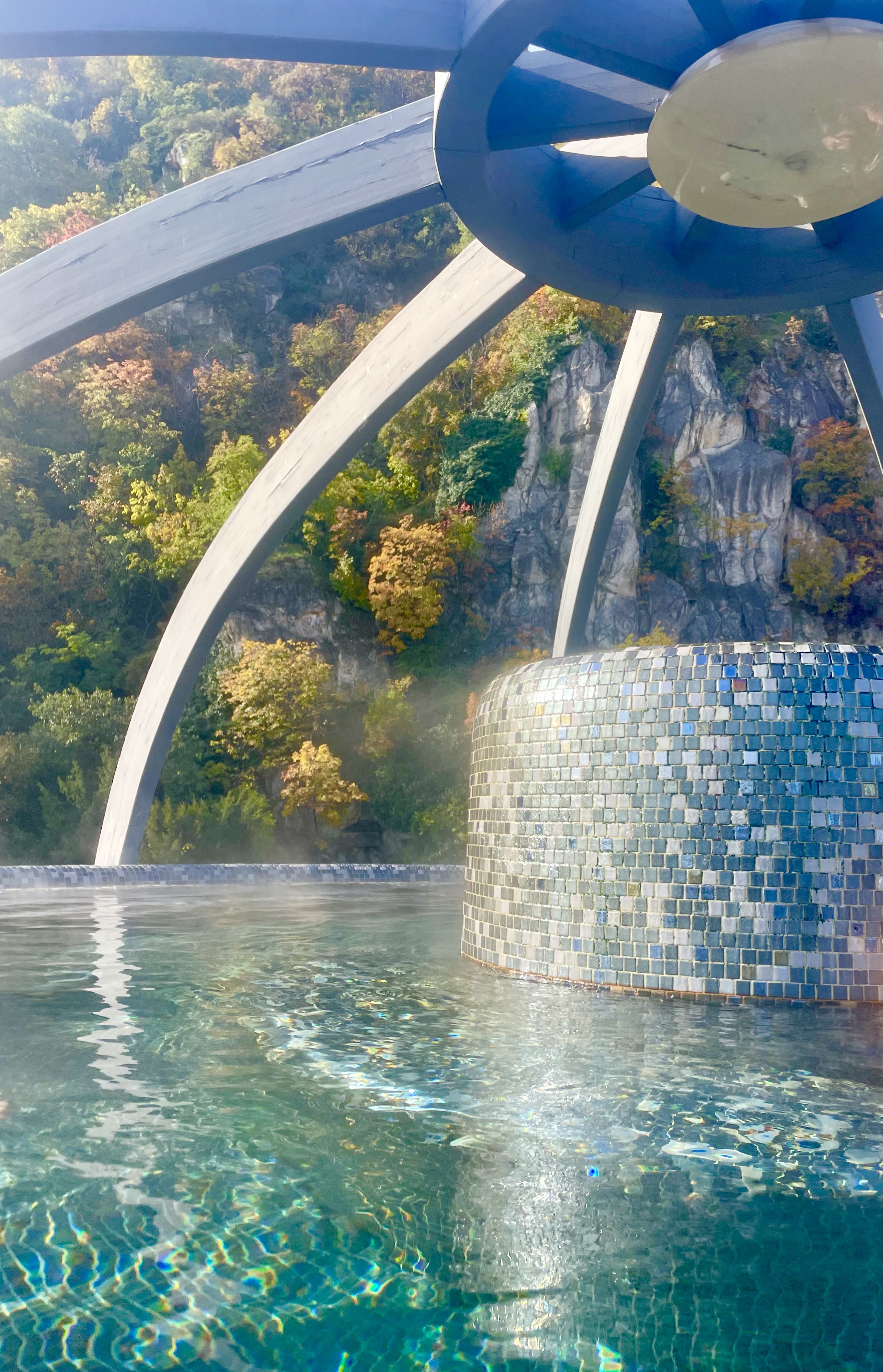
Tip: Don’t underestimate the thermal baths! They are easily a full-day activity and one of Budapest’s most iconic experiences. I visited the Rudas Baths and highly recommend it.
Ljubljana, Slovenia
Suggested stay: 2 nights
Next train: Ljubljana → Lake Bled (~1 hour)
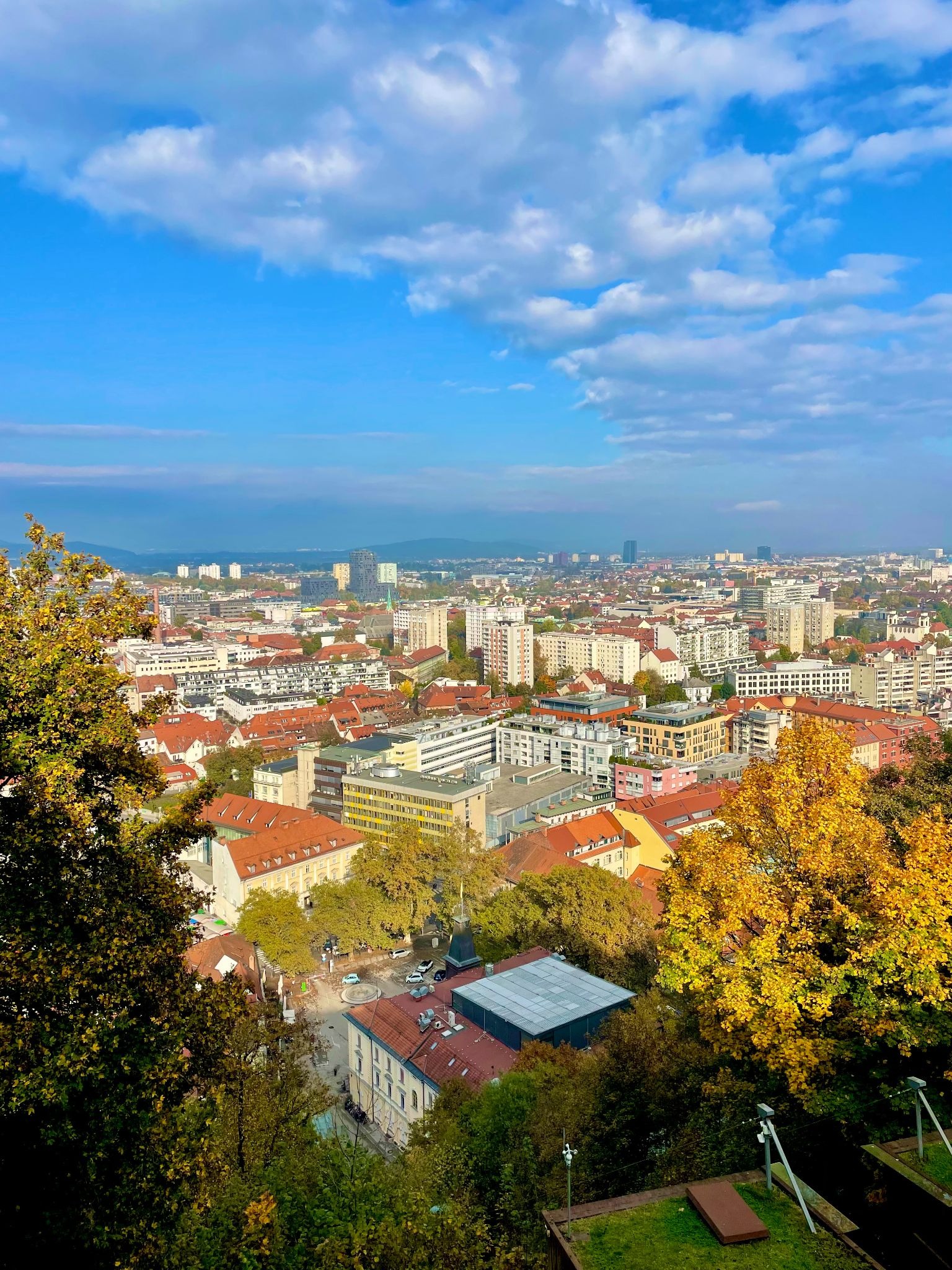
Ljubljana offers a distinctly relaxed and peaceful vibe compared to the cities visited so far, making it a refreshing breath of fresh air. The city is lush, green, charming, and perfectly intertwined with nature. With its countless cute cafés and pastel-colored buildings, it is the ideal spot for a chill city break where you can simply wander and enjoy the atmosphere.
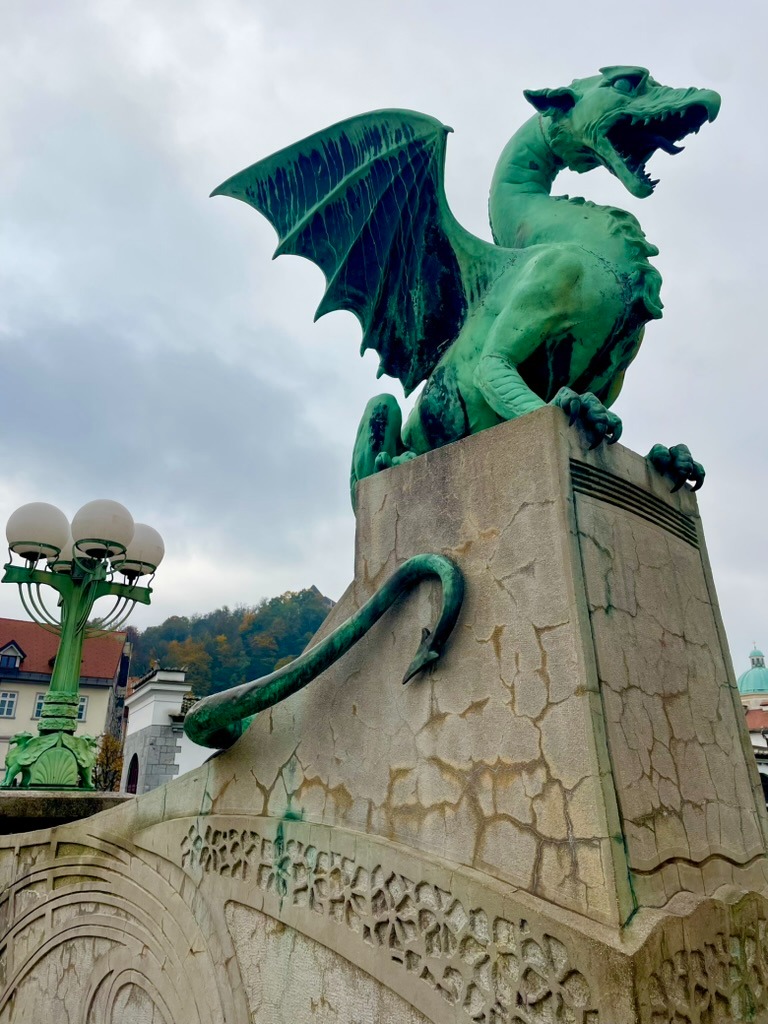
The Old Town is highly walkable. The Franciscan Church of the Annunciation is a star of the city center, distinguished by its beautiful pink exterior and free entry. Be sure to explore the many beautiful bridges throughout the city; the Dragon Bridge is the most iconic and photogenic, guarded by its famous green dragon statues.
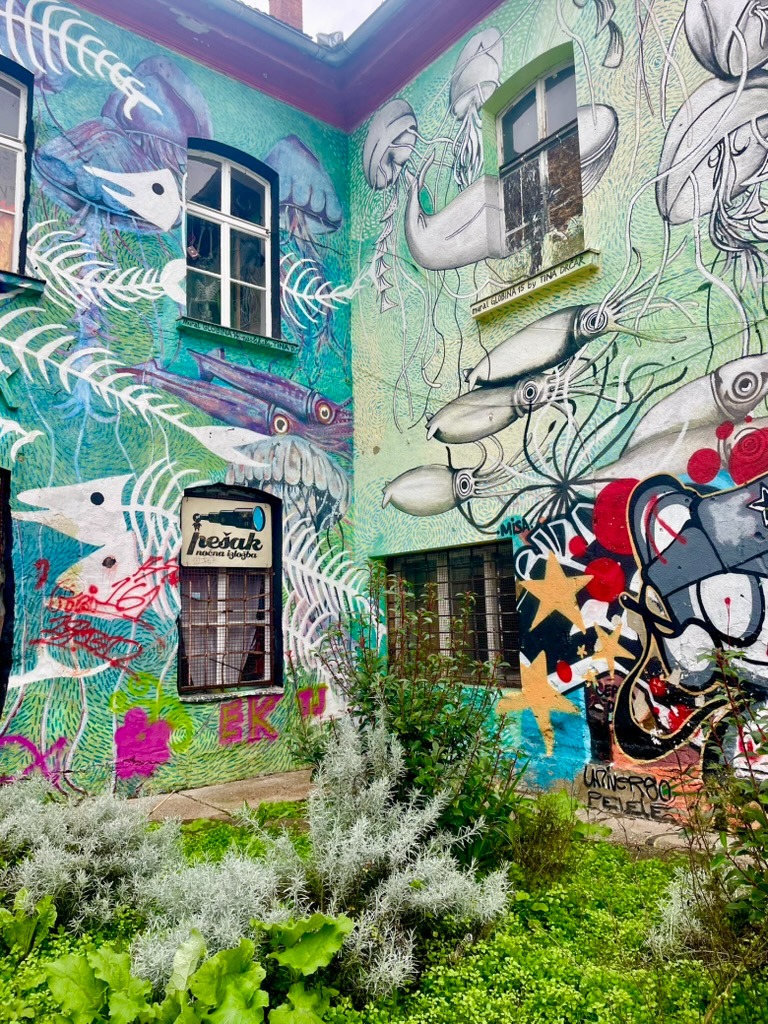
Spend time strolling through the endless cute local shops for unique souvenirs, and take a coffee break at one of the countless charming waterfront cafés lining the Ljubljanica River. Nature lovers will adore the spacious green paths of Tivoli Park. For something different, visit Metelkova, an alternative autonomous community that serves as an incredible and vibrant street art district.
If you are a wine lover, Slovenia is renowned for its wine, making Ljubljana the perfect place to enjoy a tasting. For foodies, the city boasts endless high-quality restaurants of all kinds, including many with Michelin stars. However, if you are more into casual local dining like myself, I highly recommend eating at the Open Kitchen (Odprta kuhna) during its season (spring to autumn). This open-air food market offers a wide array of different high-quality food options and fantastic local vibes.
A day trip to Postojna Cave & Predjama Castle is highly recommended. Postojna is one of the world’s largest karst cave systems, while Predjama is a dramatic Renaissance castle built directly into a cliff face.
Next, you will take an affordable one-hour-long local bus to Lake Bled to explore Slovenia’s jaw-dropping nature.
Tip: Walk or take the funicular up to Ljubljana Castle for panoramic views, especially wonderful at sunset.
Lake Bled, Slovenia

Suggested stay: 1 – 2 nights
Next train: Bled → Venice (~6 hours via Trieste)
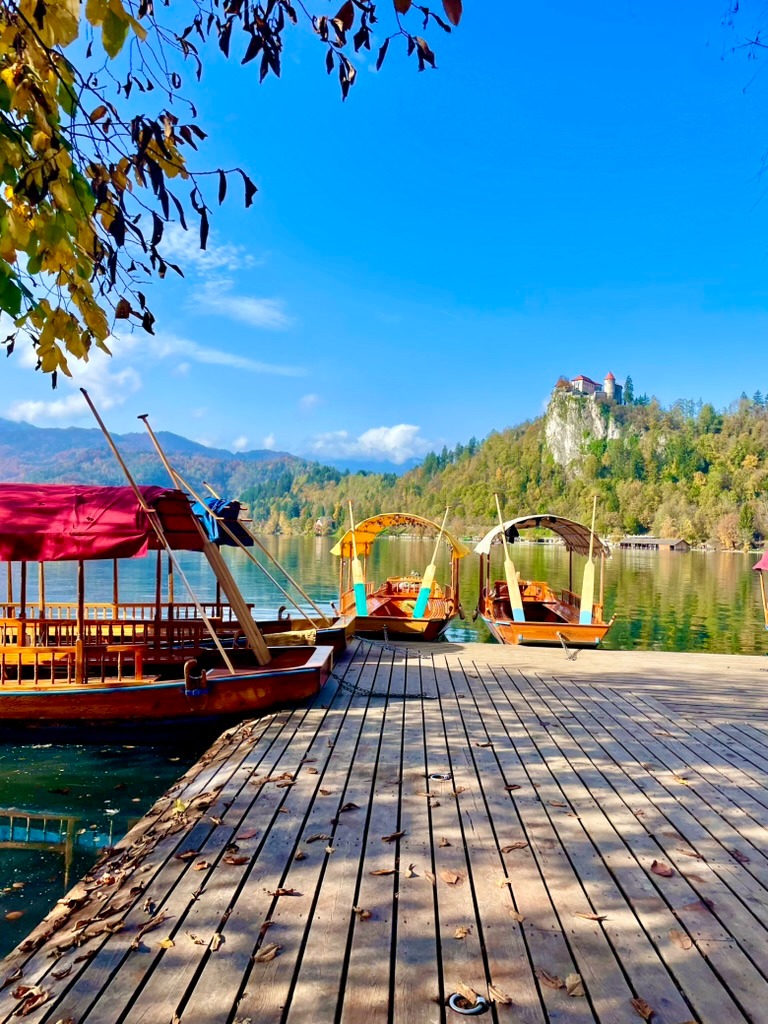
Lake Bled’s turquoise waters will leave you breathless. The cliffside castle and an island with a church are truly something straight out of a fairytale.
Well marked hiking trails make it easy to fully enjoy the scenery. The loop trail surrounding the lake is the perfect starting point, offering amazing views and countless photo opportunities. Stop at one of the lakeside cafés for a coffee and a slice of the famous Bled cream cake (Kremna rezina).
If the weather is warm enough, jump in the lake for a swim! You can also take a traditional Pletna boat (or a rowboat) to explore the lake and the island up close. For the best panoramic vista, hike up to the Bled Castle to view the lake from above.
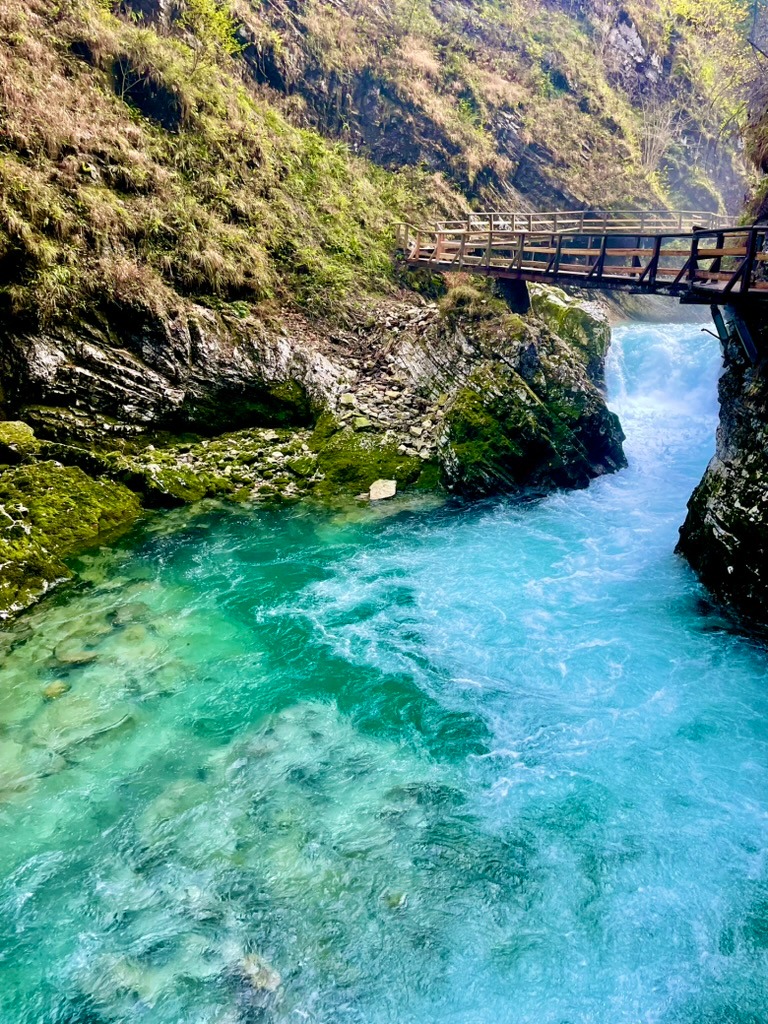
The hike through Soteska Vintgar Gorge is a must-do when you are in the area. This stunning natural gorge features wooden walkways and bridges suspended directly above the churning Radovna River. It’s a spectacular walk, allowing you to follow the water as it cuts through the cliffs, culminating in the beautiful Šum Waterfall. Be sure to check the operating hours and pay the entry fee, as it’s a protected natural site.
From there take the train to Venice, Italy which takes about 6 hours. I recommend leaving early to get the most out of your first day in one of the most beautiful cities in Europe.
Tip: If you are furtante enough to go in the fall, the fall foliage around the lake is incredible.
Venice, Italy
Suggested stay: 3 nights
Next train: Venice → Rome (~3.5–4 hours)
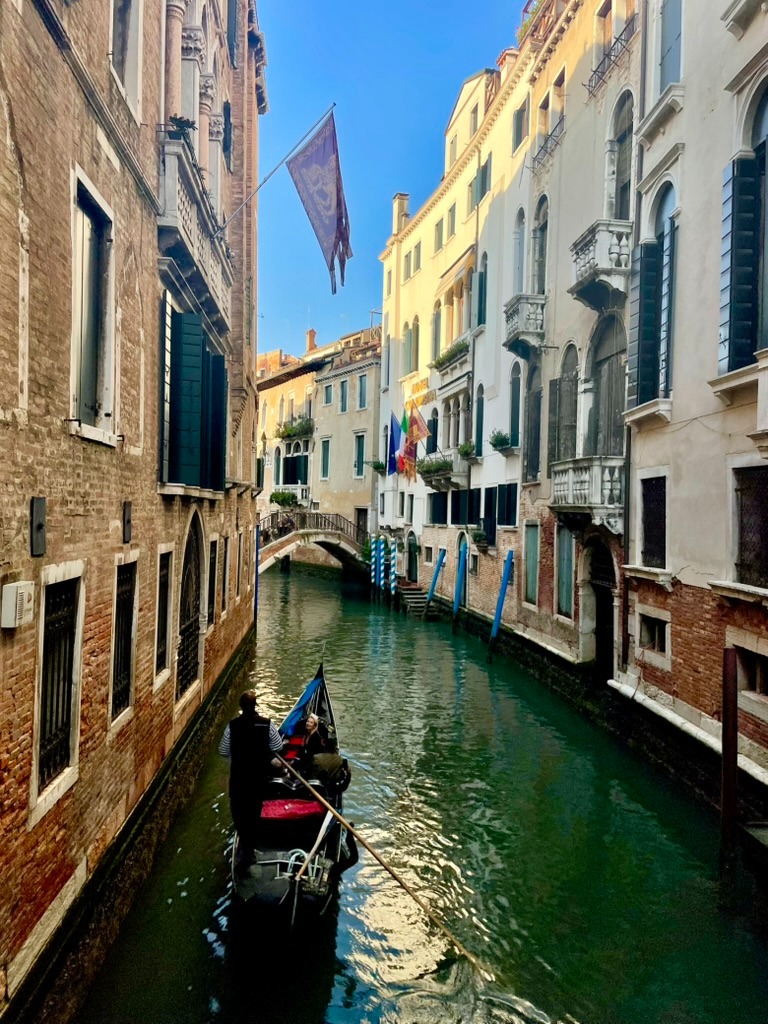
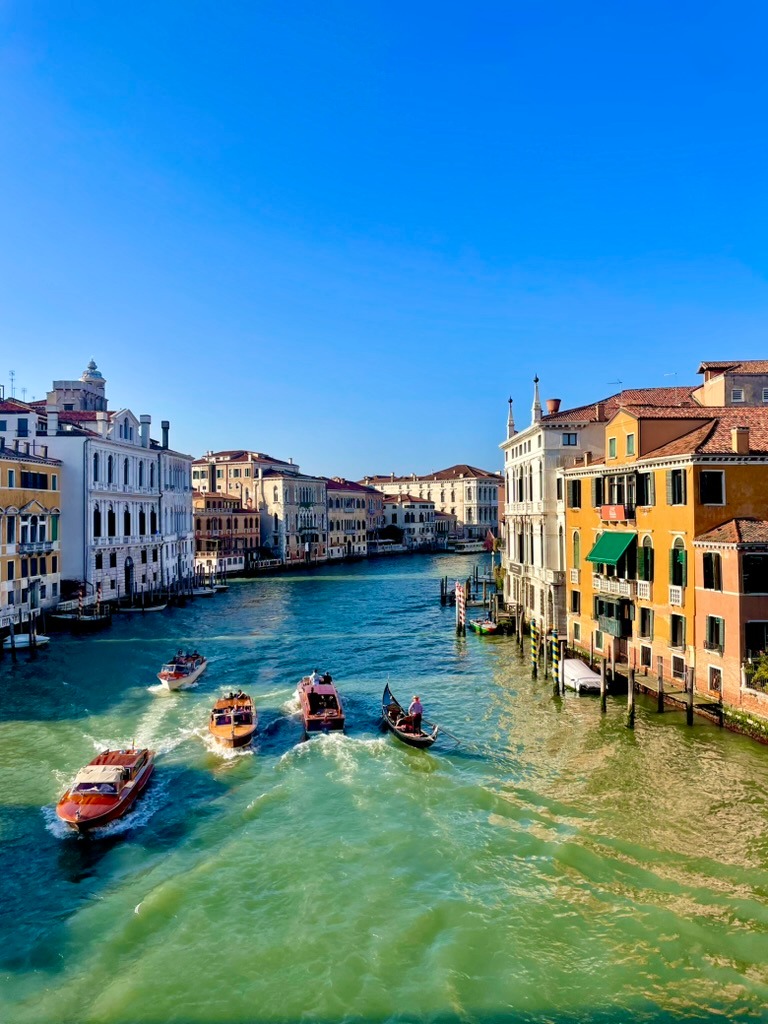
Venice is unlike anywhere else in the world—its canals, bridges, and narrow alleyways create a unique labyrinth of art and history. The atmosphere of Piazza San Marco and the sunset views over the Grand Canal are truly unforgettable.
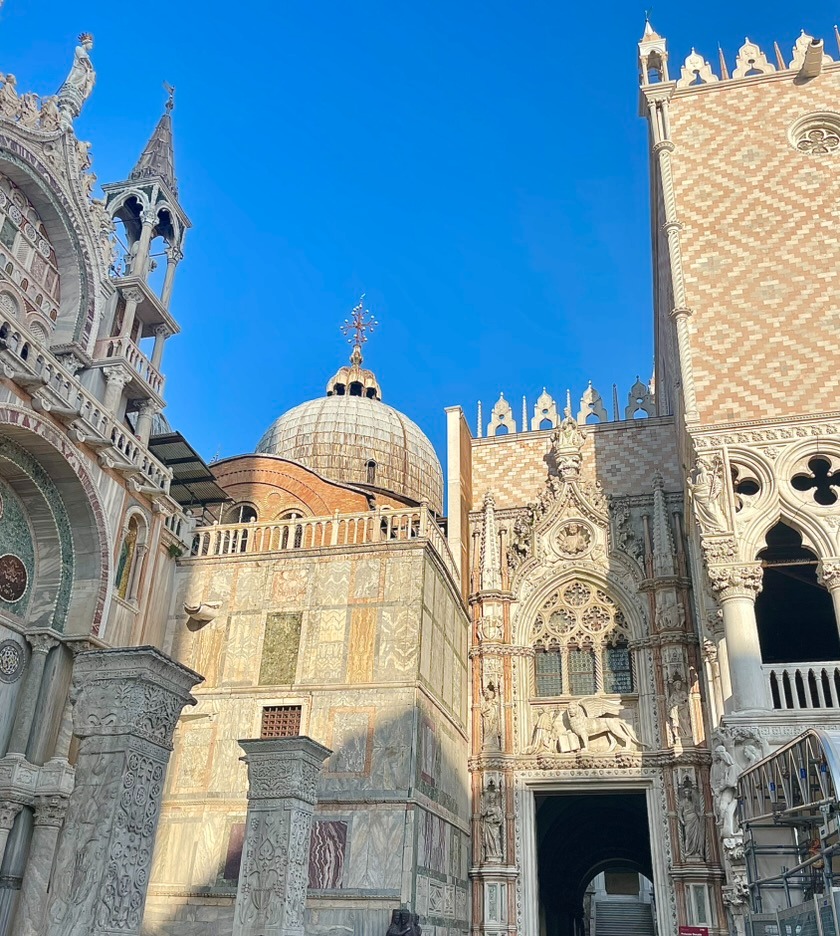
Save time to enter St. Mark’s Basilica and climb its bell tower (Campanile) for one of the city’s best panoramic views. Be sure to visit the Doge’s Palace (Palazzo Ducale), but if you plan to enter, be sure to book your tickets online prior to your visit.
If your budget permits, take an iconic gondola ride. Since they are pricey, you can likely find fellow travelers at your hostel to split the cost. Alternatively, you can explore the canals on a budget by taking the public water bus, known as the vaporetto.
The food in Venice, like the rest of Italy, is generally excellent, but be very careful to avoid tourist traps. The star of Venetian cuisine is cicchetti (Italian tapas), which consist of small bites like sandwiches, arancini, olives, and fried seafood. This is best enjoyed with a nice glass of Italian wine at a local Bacaro. For dessert, try local classics like fritole or the famous tiramisu, which originated in the region.
To experience more of the Venetian Lagoon outside the main island, take a boat trip to the vibrant islands of Burano and Murano. Burano is known for its brightly colored houses and lace making, while Murano is famous for its traditional glass-blowing.
Tip: Budget for some souvenirs from Burno or Marono, beautiful lace and blown glass products are worth every penny.
Rome, Italy
Suggested stay: 4 nights
Next train: Rome → Interlaken (~7.5 hours)
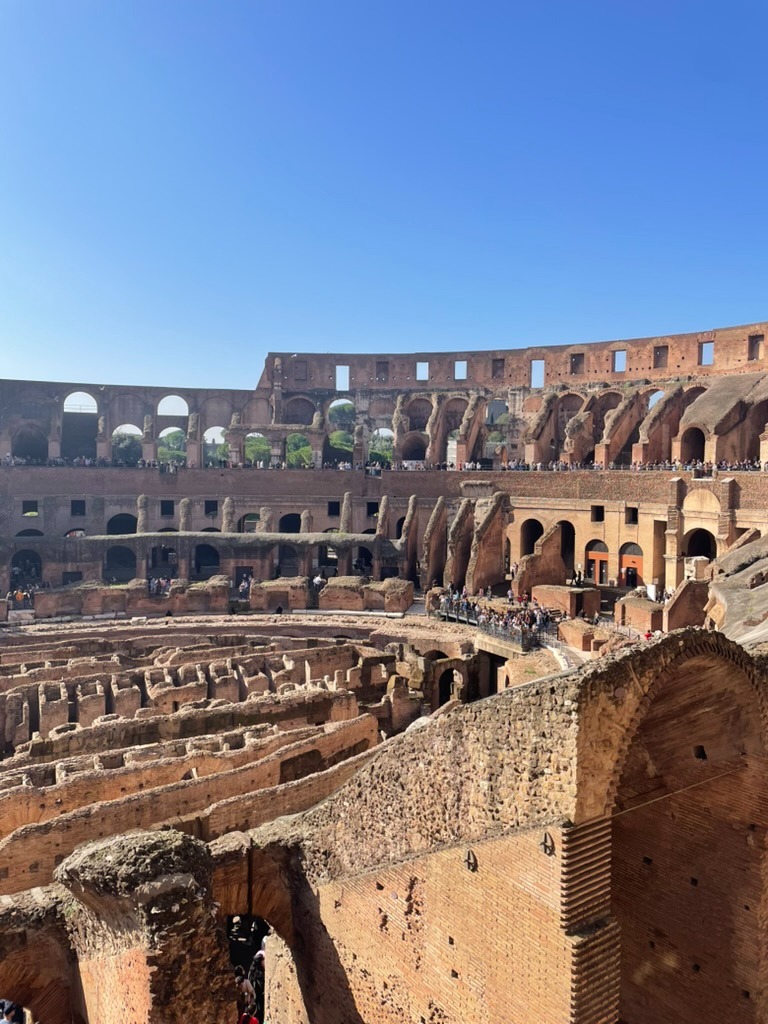
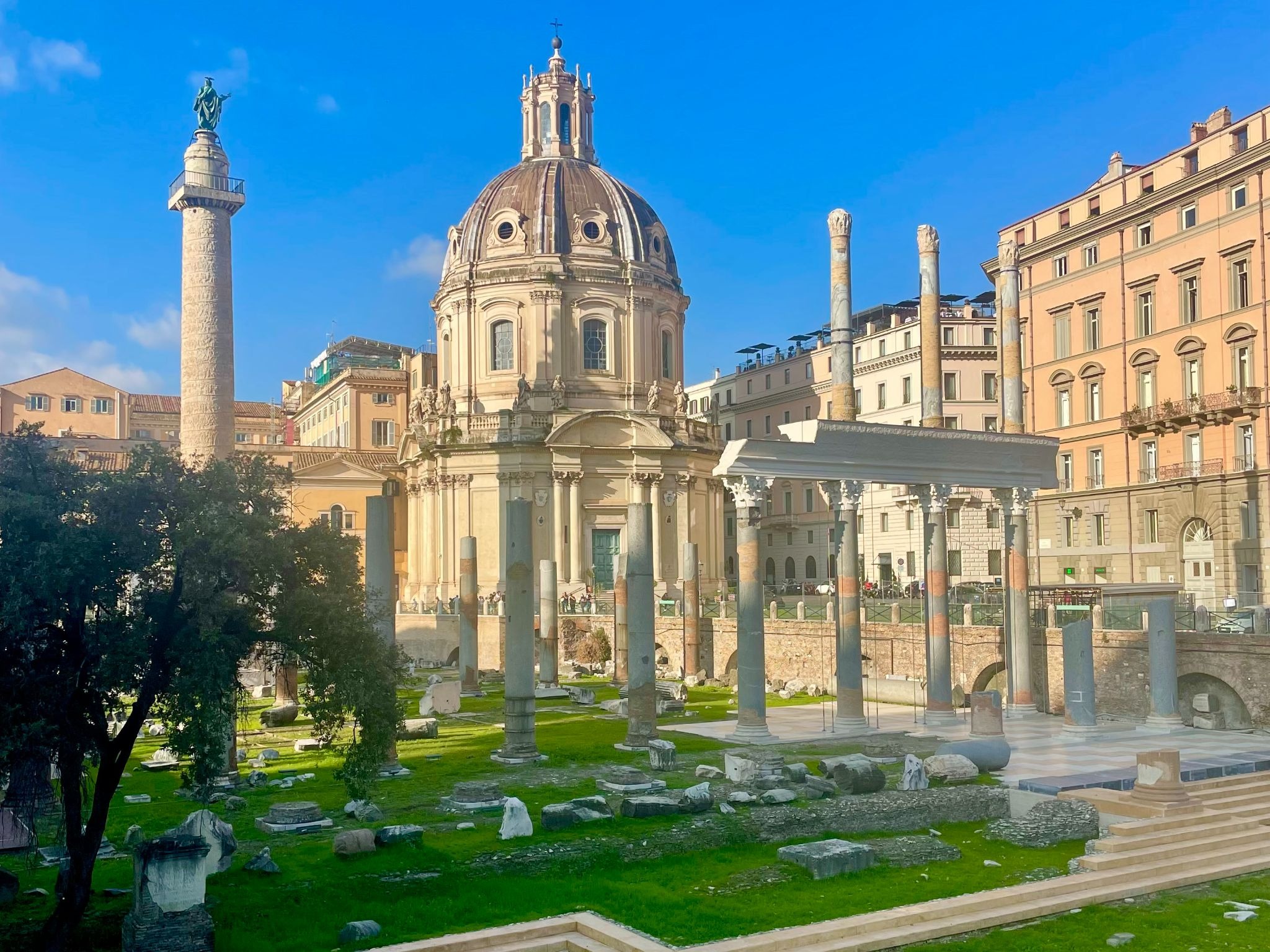
Some fellow travelers told me you need a month to properly explore Rome, and I was skeptical, but I do think they were right. There is so much to see, do, and eat in Rome that you could spend a lifetime exploring. To put it in perspective, I was easily walking 40–50 thousand steps a day while exploring the city. My biggest tip is to start as early as possible. I know this is something I say a lot, but with Rome, it truly is key. No matter the time of year, Rome will be crowded. I recommend getting the first entry ticket to the Colosseum and arriving about an hour early to walk around the exterior and take photos before it gets too busy. Giardinetto del Monte Oppio park across the street provides a perfect elevated viewpoint.
Now, I don’t think I even need to mention sites like the Roman Forum (included with your Colosseum ticket), Trevi Fountain, Pantheon (another place where purchasing tickets ahead is very useful), and the Spanish Steps. All are worth your time, and I recommend getting an amazing local sandwich and people-watching at the Spanish Steps. Go in and out of all the stunning churches scattered throughout the city. Spend one early morning exploring Vatican City, but definitely pre-book tickets for the museum and the Sistine Chapel.
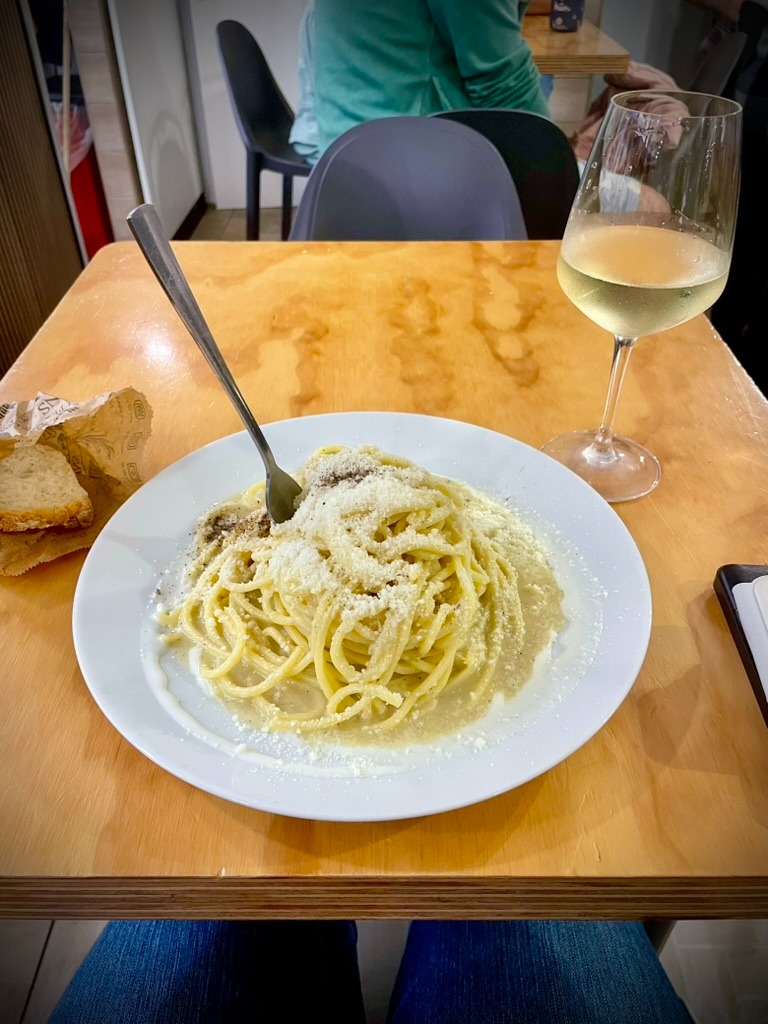
In terms of food in Rome, where do I even begin? The four traditional Roman pastas are a must for all travelers: Cacio e Pepe, Carbonara, Amatriciana, and Alla Gricia. Try maritozzo and eat your weight in gelato for something sweet. One of my favorite lesser-talked-about dishes is Chicken Saltimbocca; while more traditionally made with veal, the chicken variation is also widely found. Do a lot of research in picking restaurants, however, because just like in Venice, there are many tourist traps. I highly recommend Quel che c’è Laboratorio Di Cucina for high-quality Roman pasta.
Next, I spent an entire day on the train headed to Interlaken, Switzerland. Do not be like me! Stop in Milan for a night or two; this city is around three hours from Rome and three and a half from Interlaken. This will make the trip way more enjoyable.
Tip: Pre-book tickets for the Colosseum and Vatican because they do sell out, and you don’t want to miss out on the main attractions.
Milan, Italy (Additional Stop)
Suggested stay: 1–2 nights
Next train: Milan → Interlaken (~3–3.5 hours)
Milan is a fantastic Italian city, especially for travelers interested in shopping, fashion, and art. Obviously, the magnificent Duomo di Milano (Milan Cathedral) is the main attraction of the city. Be sure to explore the elaborate interior and climb to the rooftop for a spectacular view over the city.
These stops in Milan break up the long journey between Rome and Interlaken conveniently, meaning there is no need to spend an entire day on the train.
Interlaken, Switzerland
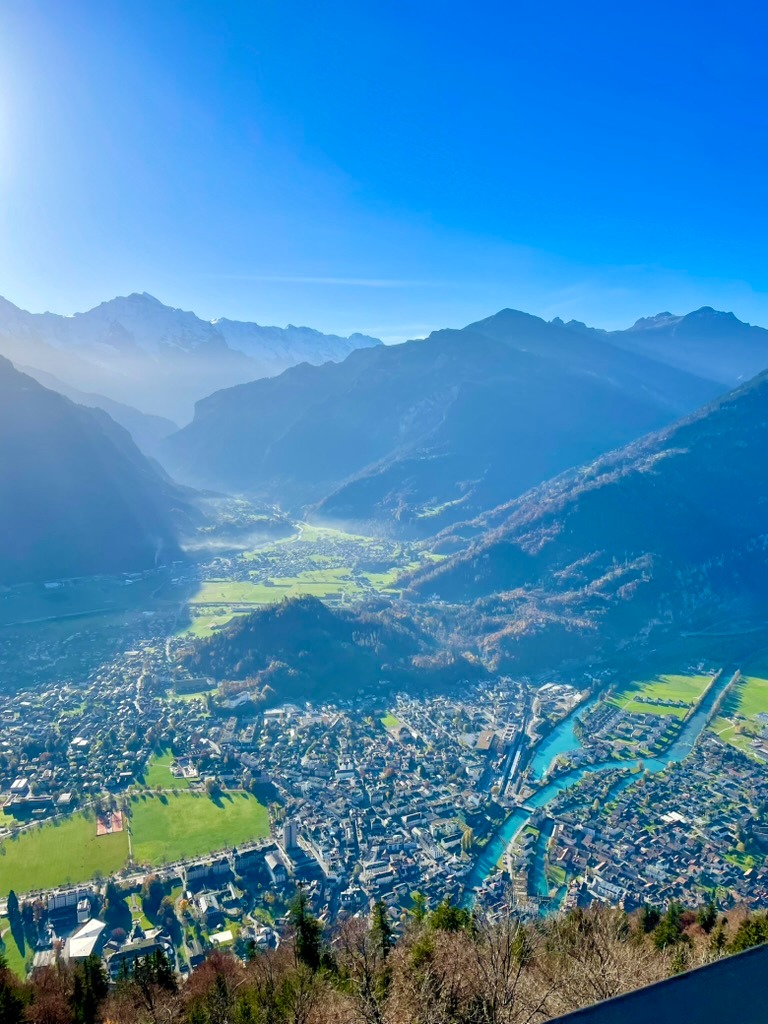
Suggested stay: 2–3 nights
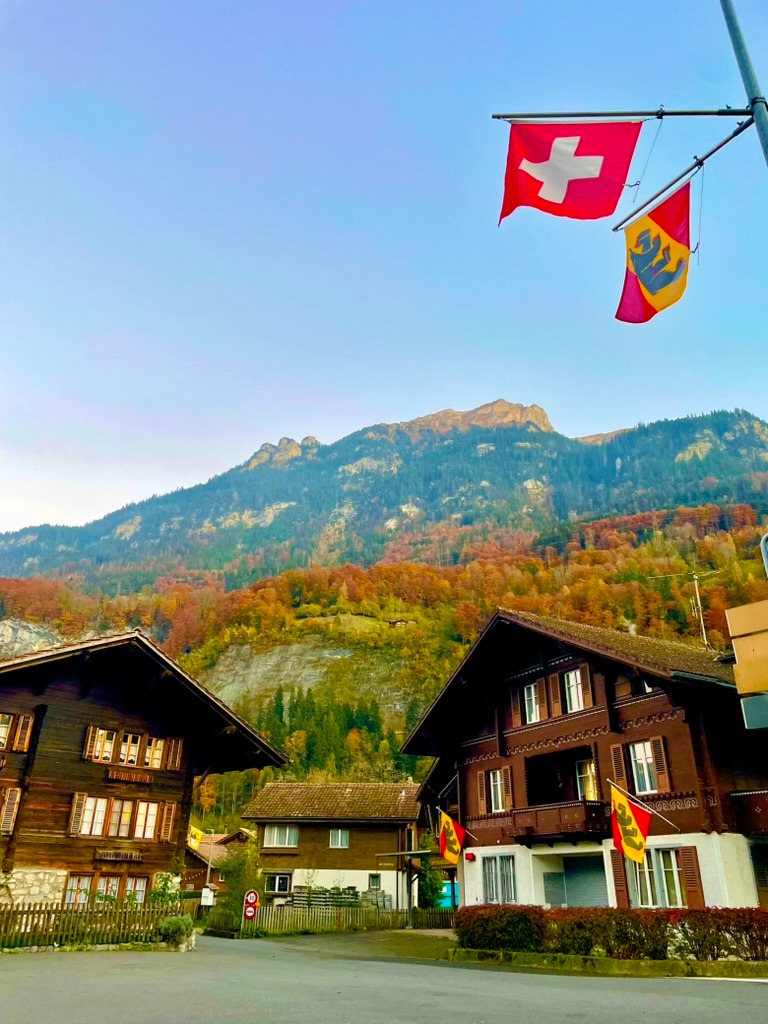
Last but not least we stop in Interlaken, Switerland! Interlaken literally means “between two lakes” (Lake Thun and Lake Brienz), and it’s a charming, centrally located Swiss town nestled between stunning alpine scenery. Interlaken was a reflective, breathtaking conclusion to my Eurorail adventure. I suggested two to three nights, but you can easily stay longer and enjoy more hiking, adventure sports, and nearby exploration.
Take a boat trip on either of the turquoise lakes, which are vibrant blue due to glacial meltwater. Consider stopping in Iseltwald (on Lake Brienz) for a memorable sunset and a taste of lakeside tranquility. Watch the paragliders drift through the air, and if you are daring enough, try it yourself!
Interlaken doesn’t have the reputation of being the adventure capital of Europe for nothing; sports like paragliding, bungee jumping, and skydiving are very popular there. In the warmer months, rafting and other water sports are also very fun and accessible.
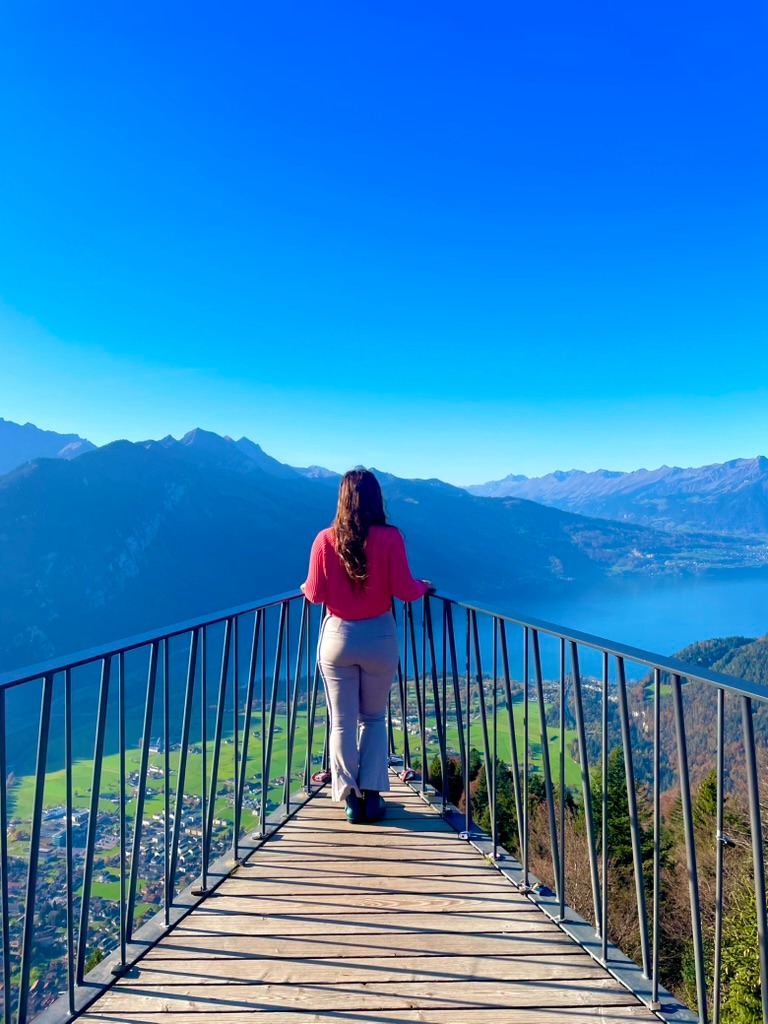
For incredible views from above, take the funicular up to Harder Kulm (often called the “Top of Interlaken”) where you can admire the views from the viewing platform before hiking back down to town. While in the area, be sure to explore some of the iconic neighboring towns like Grindelwald or Wengen, which are easy to reach by mountain train or bus.
Tip: Take a day trip to Lauterbrunnen (the Valley of Waterfalls) or the Jungfraujoch (known as the “Top of Europe”) for iconic Swiss scenery.
What I’d Do Differently
I honestly think I succeeded in providing an excellent overview of the European continent during this journey. Obviously, I didn’t cover everywhere, but I visited a lot of interesting, iconic, and unique European destinations. Overall, as a first trip in Europe, I felt satisfied with all I was able to see and do.
To mitigate travel fatigue, I would recommend breaking up the longer journeys. Specifically, the Brussels to Berlin route could benefit from a one-night stop in Cologne or Frankfurt. Similarly, the extensive Rome to Interlaken journey could be comfortably interrupted with a stop in Milan. Additionally, allocating extra days in key cities would allow for a more relaxed pace and in-depth exploration. Personally, I found myself wishing for more time in Vienna, Budapest, Rome, and Interlaken to enjoy slower mornings and deeper exploration.
Usually, when backpacking, I book hostels last-minute to allow flexibility; however, depending on the city and time of year, European hostels can fill up fast. I suggest securing hostels and major attractions early for cities like Rome and Venice, even though it limits your flexibility.
Also, minimal packing is always best when backpacking; the less stuff you pack, the more room you have to pick up souvenirs on your travels, not to mention carrying your bag will be much easier.
Considering my base in Belgium, starting in Amsterdam before heading to Brussels wasn’t practical for me, though I would recommend it otherwise. My original plan was to travel from Interlaken to Paris, ending my trip there. However, an early return to Belgium necessitated a separate trip to Paris later. If I had been leaving Europe directly afterward, a stop in Paris would have been essential (look out for a separate Paris post soon!).
 Kellianne Adventures
Leave a comment